
Irrigation Programming Guide


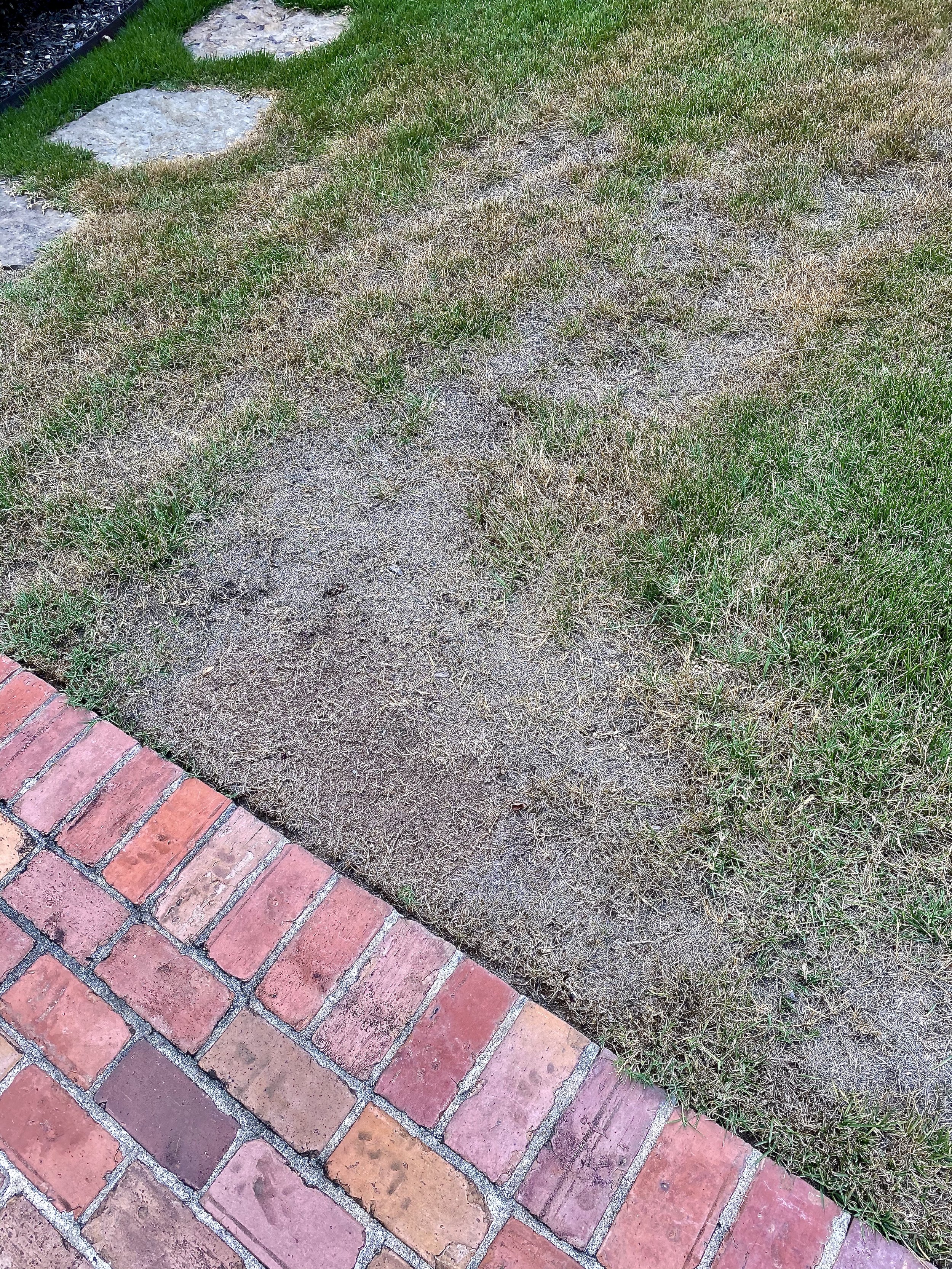

More lawn problems are caused by improper irrigation than most homeowners realize. In spring, lawns are often watered too much, leading to shallow roots, disease, and saturated soil. By summer, they are usually watered too little, causing drought stress, thinning turf, weeds, and poor fertilizer response. A healthy lawn requires more than a fixed schedule. It needs the right amount of water for the season, grass type, soil, sun exposure, and sprinkler system.
Here are two options that will help your lawn get the perfect amount of water.
Option 1:
Have your system professionally evaluated and programmed
Option 2:
Follow the FREE programming advice below.
This advice will work well for most properties. However, we HIGHLY recommend physically monitoring soil moisture levels throughout the year with a soil profiling tool or even just a small shovel.
We also HIGHLY recommend that you do a full system walkthrough, watching each head go through its full rotation at least once per year.
-
Spring (April & May)
2-3 days per week
We recommend setting program A to run on Monday, Wednesday, and Friday (Sunday will be your “flex” day to be added druing peak summer heat).
Most years, you are better off not watering at all until May! Typically, watering before May does more harm than good (this is extra important for those with zoysia).
Summer (June, July, August, & September)
3-4 days per week
M,W,F (+Sun if needed)
June is a “flex” month that generally requires 3 days per week but may require more depending on the weather in any given year.
Add Sunday if Needed
July and August will almost certainly require 4 days per week.
Time to add Sunday
September is a “flex” month. If conditions remain hot and dry, you may need to continue a 4-day per week schedule.
Subtract Sunday if you can
Fall (October & November)
2-3 days per week
M,W (±Friday)
The Fall is functionally the opposite of Spring, requiring a slow tapering decline in the amount of water required.
DO NOT STOP Watering!
Drought-stressed plants are unable to harden off and prepare for dormancy, causing WINTER KILL.
Careful not to overdo it. Too much water can cause fungal diseases (this is extra important for those with zoysia).
-
Water Early – Around 5 AM
Reduces evaporation loss
Allows moisture to be absorbed efficiently before the heat of the day
For even better results, use the “cycle & soak” method (or multiple start times).
Avoid Watering During the Day
High evaporation rates make it inefficient
However, during drought conditions, any water at any time is FAR BETTER than no water.
Avoid Watering Late Afternoon or After Sundown
Prolonged moisture on leaves increases the risk of fungal diseases (especially true for Zoysia & St. Augustine)
-
Before setting up your irrigation system, it's critical to identify the type of heads in each zone.
Spray Zones (fixed heads that spray mist)
Typically found in small grass patches or landscaped beds
Requires shorter run times
Because these heads don’t move and apply water to the same area continuously, they put out up to 3X more per minute than oscillating or rotating head types.
Rotary Zones (heads that move, rotate, or oscillate)
Common in larger turfgrass areas
Requires longer run times
Water is distributed over time, covering only a fraction of the area at any given moment
Mixed Zones (Spray & Rotary Heads Together)
Zones contain both spray and rotary heads, making proper watering IMPOSSIBLE
We HIGHLY recommend changing the heads or nozzles to match.
If no physical changes are made, a compromise will be necessary, and plants may suffer.
-
Understanding the type of head or nozzle in each zone is key to setting the correct runtimes.
Spray Heads (mist)
Run Time = 9–12 minutes
Adjust based on plant type and sun exposure.
Example:
Boxwoods in partial sun → 9 minutes
Boxwoods in full sun → 12 minutes
Rotating Heads (moving streams)
Run Time = 21–45 minutes
30 min is a good middle ground if you are unsure of how long to program.
Monitor the soil saturation and make adjustments as needed.
The greater the rotation and more sun exposure, the longer the runtime.
Example:
90° rotations → 30 minutes
180° rotation → 36 minutes
360° rotation → Up to 45 minutes
Tips, Tricks, & Special Considerations
-
This feature allows you to set your irrigation schedule once and make seasonal adjustments without having to manually reprogram each zone as weather conditions change.
Unfortunatly, adding and subtracting watering days will still need to be done manually.
The good news is you will only need to add a day once during peak heat (Julyish) and subtract once after peak heat ends (Septemberish).
Using Seasonal Adjust (%)
Program your zone run times for peak watering conditions (HOT & DRY).
Make sure the % is set to 100 before making run time adjustments.
Set the % to increase or decrease runtimes universally across all zones and programs.
Example: If a zone is programmed for 10 min. and you set the Seasonal Adjustment % to 80, the zone will run for 8 min.
Start each season at 50-60% (May)
Keep adding % until you reach 100%
June 80-90%
July 90-100%
August 100-110%+
Yes, you can go beyond 100% if necessary.
⚠️ Once you see a need to go beyond 100%, it is time to add a 4th day to your program.
September 100-90%
October 70-60%
November 50%-
⚠️ Some controllers use this feature differently and treat 00% as 100% of the schedule.
On these controllers:
"-10%" = 90% watering on a standard controller
"+10%" = 110% watering on a standard controller
-
“Cycle and Soak” is an irrigation programming method designed to maximize water absorption and minimize runoff.
Dry and overly saturated soils struggle to absorb water efficiently.
First cycle: Moistens the soil, preparing it for deeper absorption.
Second cycle: Water penetrates further into the now-prepared soil.
Final cycle: Pushes moisture deep into the roots without oversaturating the topsoil.
This method is especially important for deep root watering and sloped landscapes, ensuring water reaches the root zone without waste or runoff.
How It Works:
Your irrigation will run through all zones in order 3 times on scheduled watering days.
Once the 2 AM cycle has been completed, the system will shut down. It will begin watering again at 4 AM and repeat again at 6 AM.
Program 3 Start Times:
1st: 2:00 AM
2nd: 4:00 AM
3rd: 6:00 AM
Adjust Each Zone’s Runtime:
Divide the total duration needed by 3.
Example: If a zone requires 30 minutes total, divide by 3 start times → 10 minutes per cycle.
After all three cycles (2, 4, and 6 AM), the zone will have received its full 30 minutes of watering.
Repeat this programming adjustment for EVERY zone.
-
Potted Plants
Pots dry out fast. Like sod, they need water at least once per day.
Pots are designed to drain
The pots themselves get hot, heating up the soil they contain.
If pots share a zone with nearby landscaping or lawn, they will NOT get the frequency of water they need without additional hand watering.
If you have dedicated pot zones, you can increase watering frequency by using the supplemental programming techniques shown below.
Hydrangeas and Wilting Plants
Some plants, like hydrangeas, will quickly begin to wilt and show signs of heat stress if not watered every day.
You can increase watering frequency by using the supplemental programming techniques shown below.
-
Ideally, warm-season sod should only be installed during the primary active growing season between May and August.
This protocol should be followed for two weeks post-installation.
Water twice per day
Approximately 5 am and 3 pm
Run times should be kept brief
There is no point in long irrigation cycles. Unlike established grass, new sod has VERY SHALLOW ROOTS and can not access deeply watered soil.
Keeping cycles short but frequent keeps the top layers of soil where the roots are cool and moist without creating mud.
The best way to know if you're watering new sod correctly is to lift the edges and feel the underside of your new sod.
cool and damp = good
dry and warm = bad; cycles may not be frequent enough
mud = bad; cycles are too long
See the section on Supplemental Watering to achieve proper new sod programming without disrupting the rest of your property’s irrigation.
-
These supplemental programs are completely independent from your primary program A and will REQUIRE their own start times, water days, and run times to be programmed.
Program B (pots and heat-sensative plants)
This program should be used for new sod, potted plants, and plants that require extra watering in the afternoon to prevent drought stress.
Water Days = Tues., Thurs., and Sat.
Utilizing these watering days means your system will now run EVERY DAY because Program A will continue to run on M, W, F (Sun).
Start Time = 5 AM
Since your set is to run on opposite days from Program A, this will not interfere.
Run Times
ONLY ADD run times to the zones that need supplemental programming. Zones left at ZERO min will not run on this program.
Set supplemental zones to run for 1/3 the time set for Program A.
If you’re utilizing cycle & soak programming, the run times will be the exact same as Program A. The difference is you will not have a 2nd or 3rd start time.
Program C (potted plants only)
This program is almost exclusively used for dedicated 🪴potted plant zones.
If your pots share zones with lawn or landscape, DO NOT USE this program. You will need to supplement by hand watering.
Water Days = Every Day
Start Times = 3 PM
Run Times
Set supplemental zones to run for the same run time as Program B.
Program D (new sod only)
This program should be reserved for new sod or seed.
Water Days = Every Day
Start Times = 1 PM
Run Times
Set supplemental zones to run for 1/3 the time set for Program A.
If you’re utilizing cycle & soak programming, the run times will be the exact same as Program A. The difference is you will not have a 2nd or 3rd start time.
This program can be quickly and easily turned off after the new plants are established by turning OFF all water days and/or start times.