
Does Fogging Mosquitos Work?
Why Fogging Is Not the Best Long-Term Mosquito Control Strategy
When mosquito pressure gets high, it is easy to assume the strongest spray or the quickest fog is the best solution. Fogging feels impressive. It is visible, fast, and gives the impression that something powerful is happening.
But when you look more closely, fogging has serious downsides.
Natural Does Not Always Mean Better
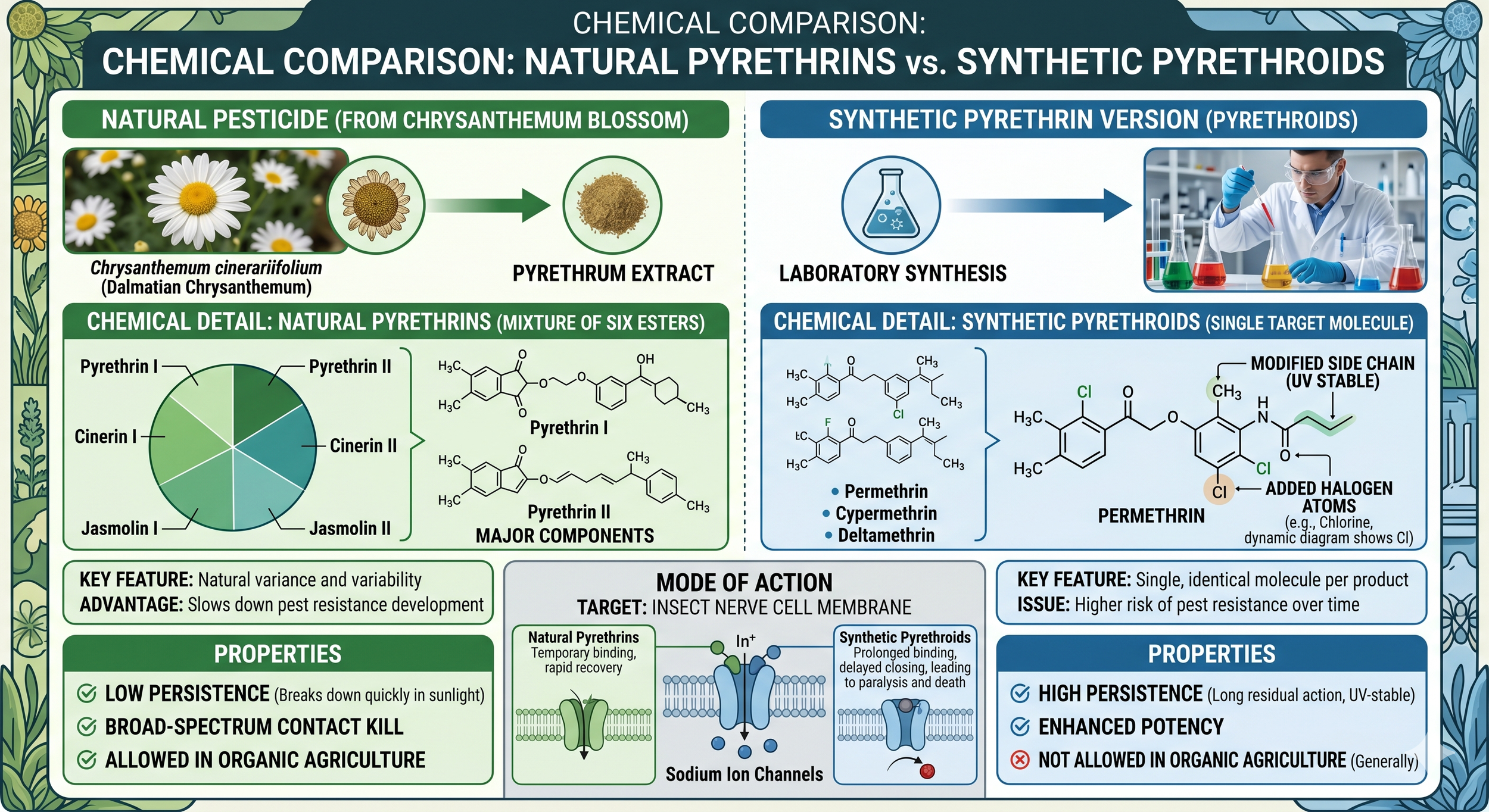
Many mosquito control products contain pyrethrins, natural insecticides derived from chrysanthemum flowers. These compounds can be effective at quickly knocking down insects, and they are often promoted as a more natural option.
However, there is an important tradeoff.
Natural pyrethrins break down very quickly when exposed to sunlight, rain, and outdoor conditions. That means they usually do not provide long-lasting residual control. In real-world residential settings, a treatment that breaks down quickly may offer short-term relief but limited staying power.
This is especially important in Arkansas, where heat, sunlight, humidity, irrigation, and sudden rain can all reduce the life of a mosquito treatment.
Natural and organic products can also still affect non-target insects. Just because a product is plant-derived does not mean it is harmless to bees, butterflies, beneficial insects, aquatic organisms, or pets if it is misused.
Synthetic Pyrethroids Last Longer, But…
Many stronger mosquito-control products are synthetic pyrethroids. These are man-made chemicals designed to act like natural pyrethrins but built to last longer outdoors.
Common examples include bifenthrin, permethrin, deltamethrin, and lambda-cyhalothrin.
These products can provide longer residual control than natural pyrethrins, which is why they are commonly used in residential mosquito barrier treatments. However, that longer residual activity is also a concern.
The longer a product remains active in the environment, the greater the opportunity for exposure to non-target organisms.
Bifenthrin, for example, is highly toxic to fish and aquatic invertebrates and very toxic to bees when they are directly exposed or when residues are present on blooming plants. It also binds tightly to soil and organic matter, which can reduce groundwater movement but increase the risk of contaminated runoff entering storm drains, ditches, ponds, creeks, and other surface water.
In a residential setting, this matters. Many homes have drainage paths, French drains, gutters, ornamental ponds, swimming pool overflow areas, flowering shrubs, vegetable gardens, and pets moving through treated spaces.
Fogging Often Looks More Effective Than It Really Is
Fogging can create a strong visual impression. A cloud of product moves through the yard, and homeowners may feel like mosquitoes are being wiped out instantly.
But fogging is usually best at killing mosquitoes that are flying or resting in the treated area at that moment. It does not eliminate the underlying reason mosquitoes are present.
Mosquitoes develop in standing water. They rest in shaded, humid areas. They move in from neighboring properties. New mosquitoes can emerge after treatment if breeding sites are not addressed.
That means fogging can become a repetitive cycle: spray, get short-term relief, wait for the population to rebound, then spray again.
Even Strong Chemicals Won’t Kill Them
One of the biggest problems with relying heavily on fogging or barrier sprays is that not all mosquitoes behave the same way.
Some mosquito species are more likely to rest in shrubs, low vegetation, and shaded landscape areas where barrier treatments may contact them. Others may not be controlled as effectively by the same treatment method.
In one residential mosquito-control study, professional barrier treatments using bifenthrin and lambda-cyhalothrin significantly reduced Asian tiger mosquito biting pressure, but they did not significantly reduce Culex mosquitoes.
That matters because Culex mosquitoes are important nuisance and disease-vector mosquitoes in many areas. So even powerful synthetic pyrethroid treatments may perform well against one type of mosquito while doing little against another.
This is one reason we do not believe mosquito control should be treated as a one-size-fits-all fogging program.
Health Concerns With Mosquito Fogging
Most EPA-registered mosquito products can be used safely when the label is followed carefully. The issue is that fogging increases the chance of drift, inhalation, and contact exposure compared with more targeted applications.
Potential exposure concerns include:
Skin contact with residues on plants, patio furniture, toys, or pet areas
Breathing in spray mist during or shortly after application (a major concern for applicators)
Accidental exposure to children, pets, pollinator gardens, ponds, or vegetable gardens
Spray drift into neighboring yards, open windows, outdoor eating areas, or water features
Short-term exposure to pyrethroid products can cause skin tingling, burning, itching, numbness, nose and throat irritation, coughing, nausea, or other symptoms depending on the product, concentration, and exposure route.
For homeowners, the concern is not just whether a product is legal to apply. The better question is whether the application method is precise, necessary, and appropriate for the property.
Environmental Concerns
Mosquito fogging can affect more than mosquitoes.
Broad-spectrum insecticides can impact bees, butterflies, moths, predatory insects, aquatic insects, and other organisms that are part of the local ecosystem. This is especially true when products are sprayed over flowering plants, near water, before rainfall, or in windy conditions.
Aquatic risk is a major concern with pyrethroid products. Very small concentrations can be harmful to fish and aquatic invertebrates. Once residues move from lawns, mulch beds, driveways, patios, or sidewalks into drainage systems, they can end up in places they were never meant to be.
This is why responsible mosquito control should avoid blanket applications and should never treat water features, blooming plants, drainage paths, or areas where runoff is likely.
Fogging Does Not Fix The Source
The most effective mosquito control starts with reducing mosquito habitat:
Standing water in buckets, saucers, toys, tarps, and clogged gutters
Poor drainage areas
Bird baths and pet bowls
Unused containers
Low spots that hold water
Dense, humid vegetation near patios and entry points
Overwatered landscapes
Properties with heavy shade and poor air movement
Fogging may temporarily reduce adult mosquito populations, but it does not eliminate breeding sites. Without source reduction, the mosquito population can return quickly.
A Better Approach To Residential Mosquito Control
At Natural State Horticare, we believe mosquito management should be thoughtful and targeted. The goal should not be to fog everything on a set schedule just because mosquitoes exist.
A better strategy includes:
Property inspection
Educating homeowners on mosquito breeding sites
Source reduction
Never treating blooming plants and pollinator areas directly
Not exposing ponds, creeks, drains, and water features to toxic products
Using the least disruptive and most effective option
All of these goals are met with our new Mosquito Control Stations!