
Tuttle Mealybugs
A Rare but Serious Threat to Zoysia Lawns
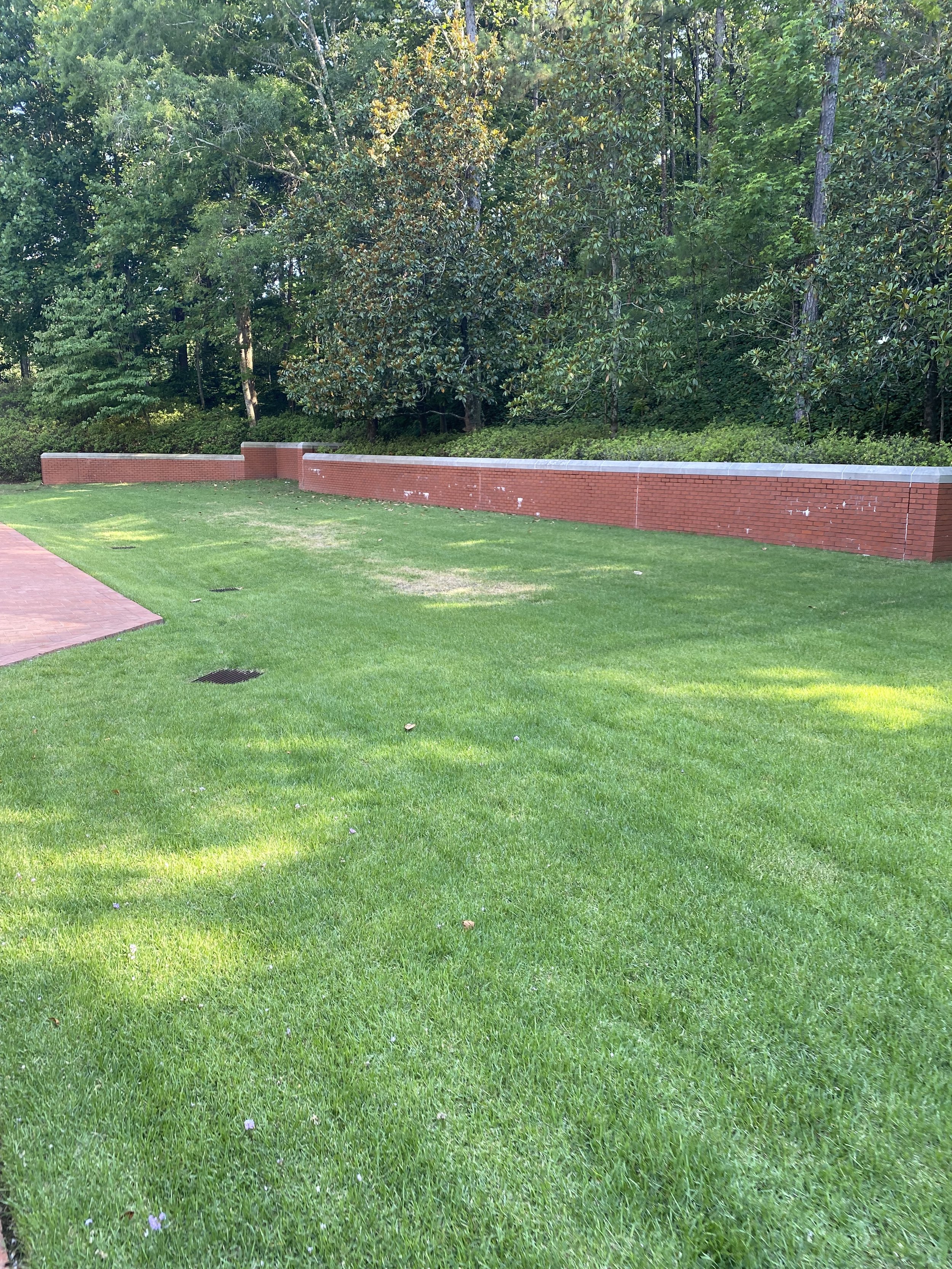
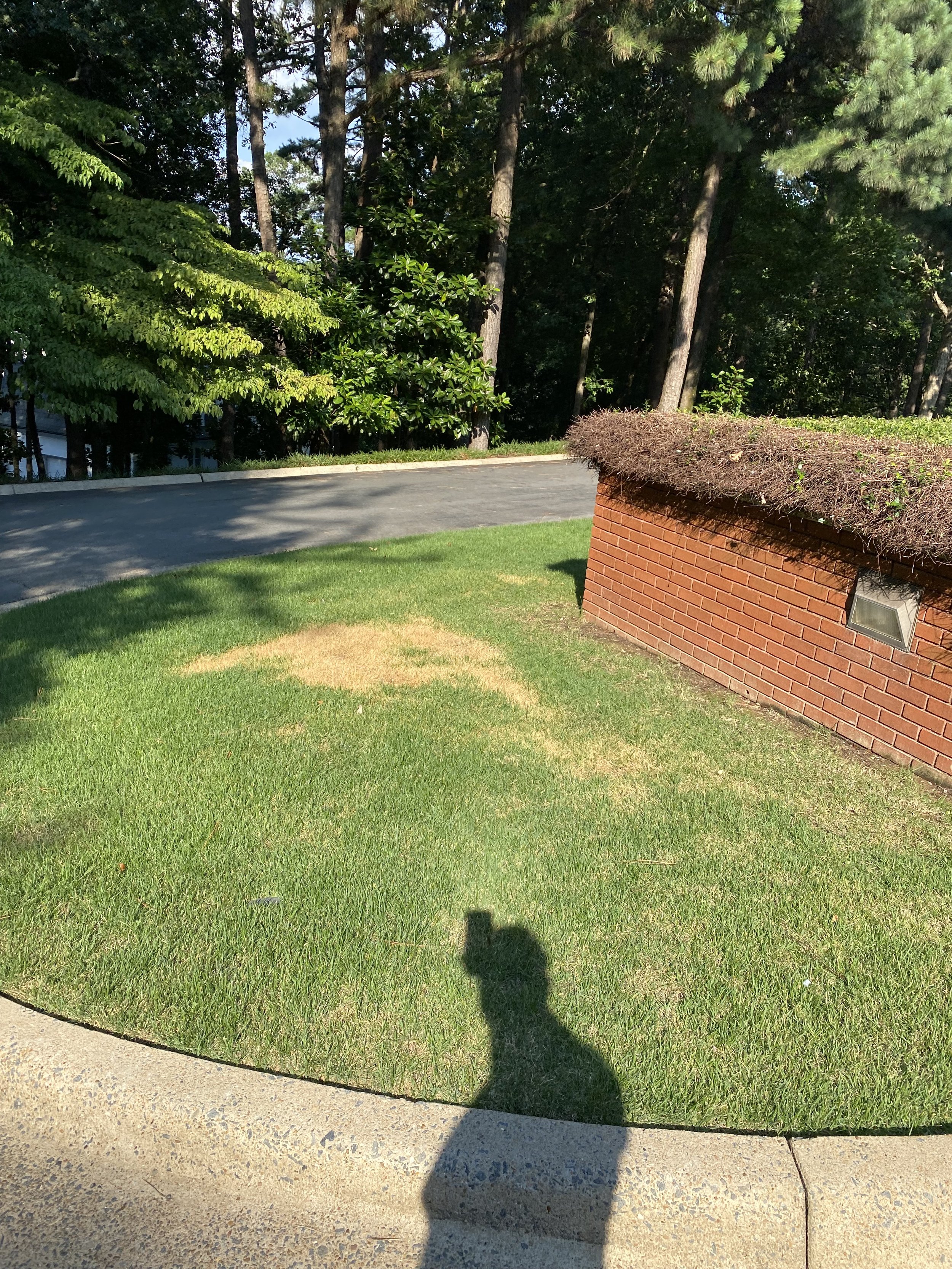
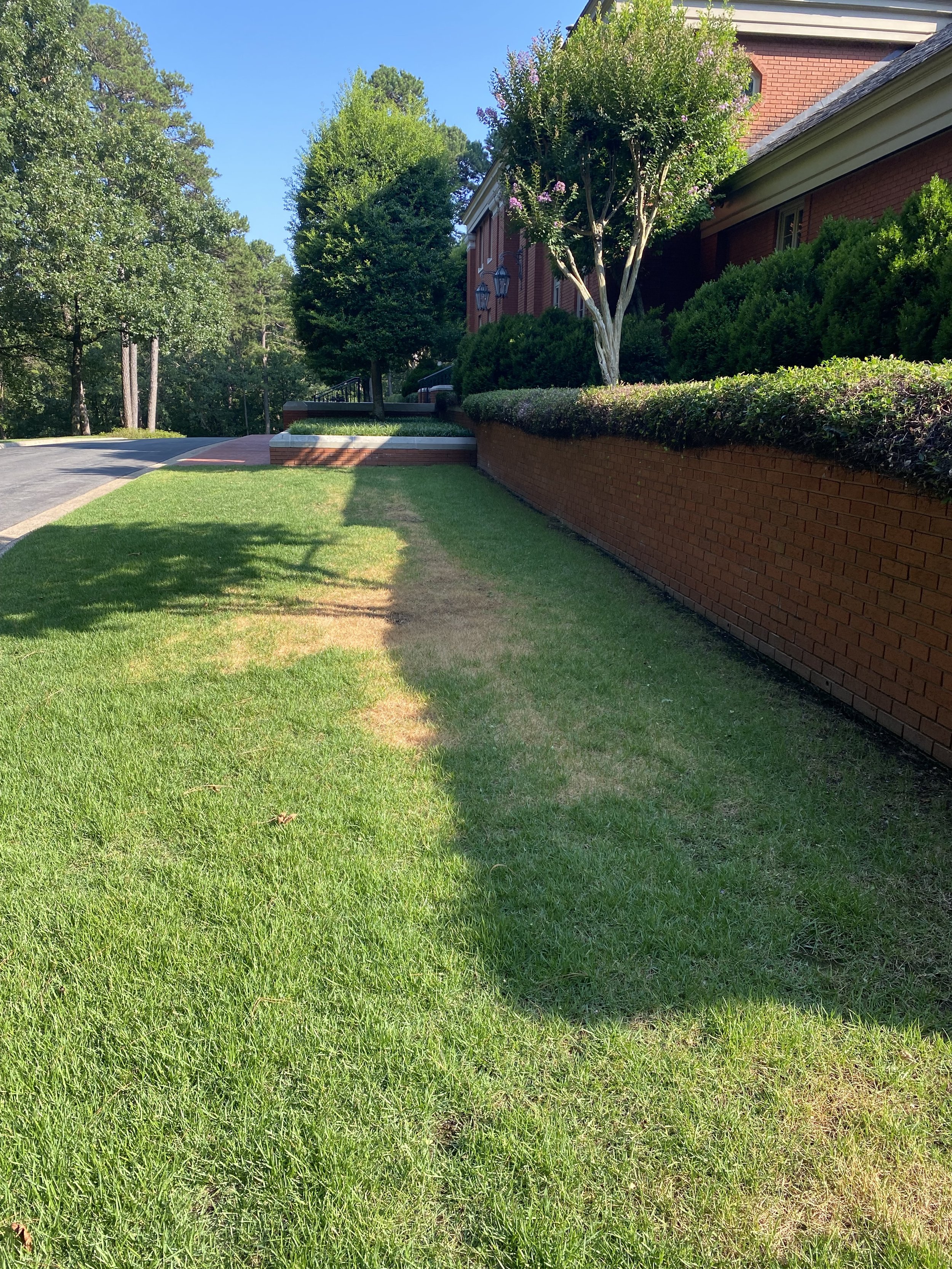
If you have a zoysia lawn in Central Arkansas and part of it suddenly starts looking thin, off-color, or drought-stressed, there is a small chance you're dealing with something far more unusual than just dry weather.
One of the rarest lawn pests we’ve encountered in our region is the Tuttle mealybug, a tiny sap-feeding insect that can cause major damage in zoysia. While this pest has been documented for years in the Southeast, reports have increased significantly since 2016, especially in zoysia lawns. University of Florida sources note that Tuttle mealybugs are now much more commonly reported as damaging pests of zoysiagrass, and that their damage is often mistaken for drought stress or disease.
At Natural State Horticare, we first encountered this pest in 2019 in a West Little Rock zoysia lawn. Because it was so unusual, the infestation was ultimately confirmed by an entomologist at the University of Florida. That experience taught us something important: this is not a standard lawn issue, and it is very easy to miss if you do not know what to look for.
What Are Tuttle Mealybugs?
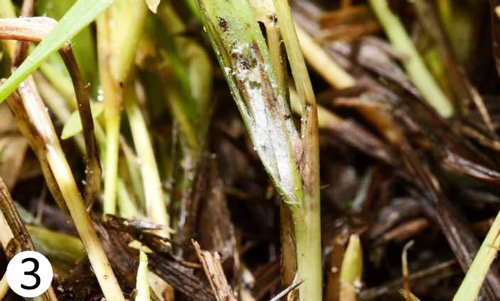
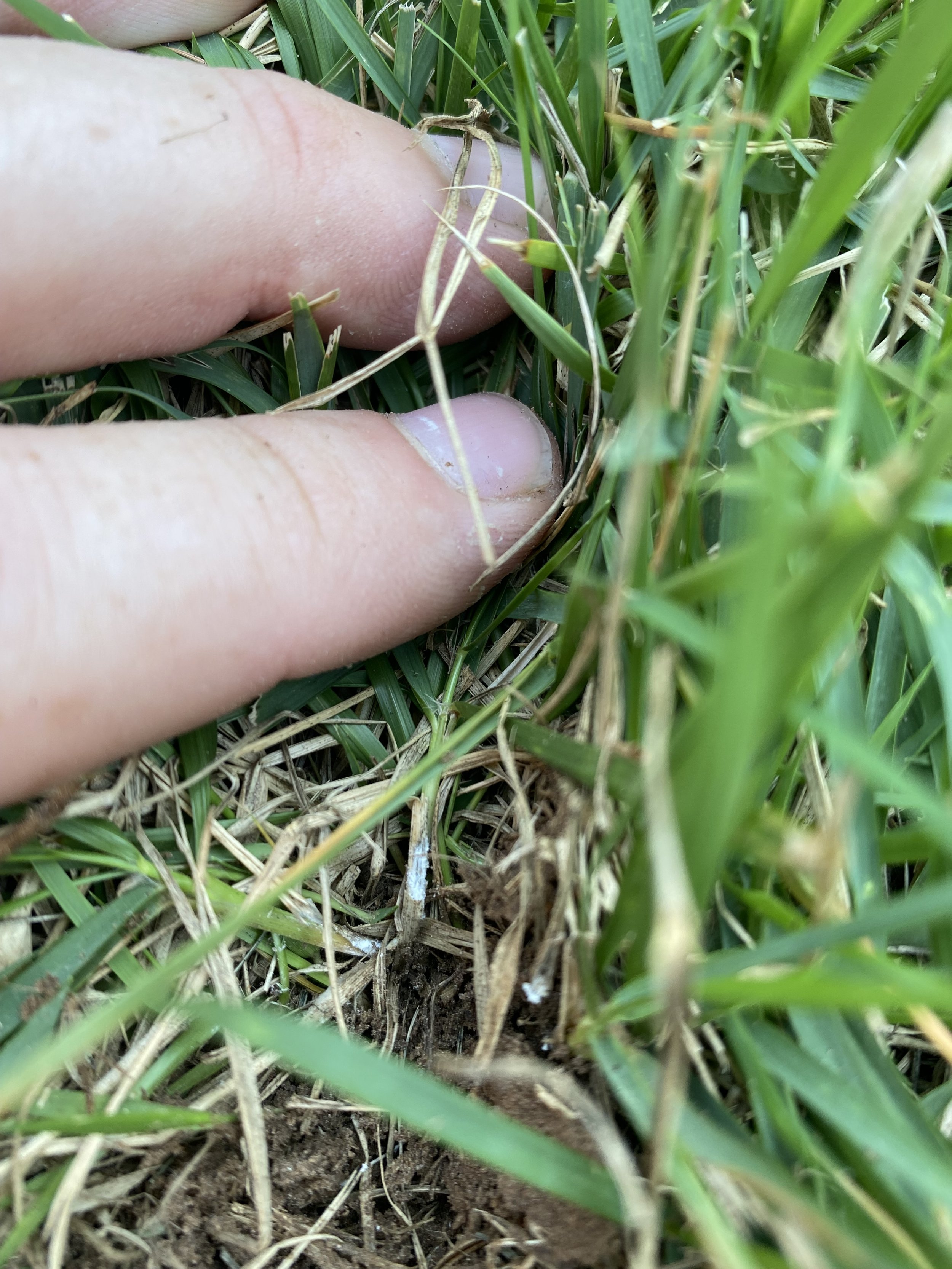
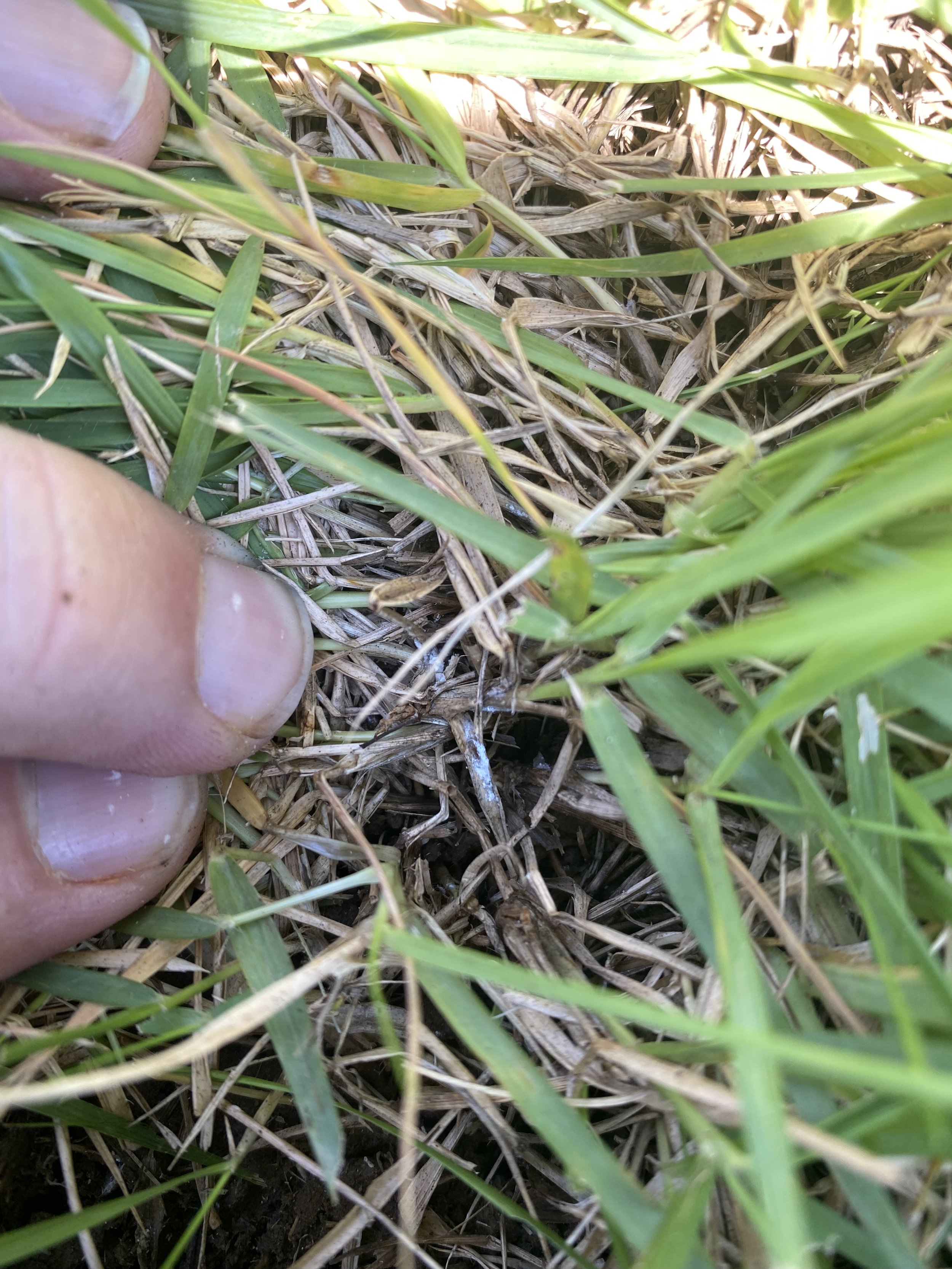
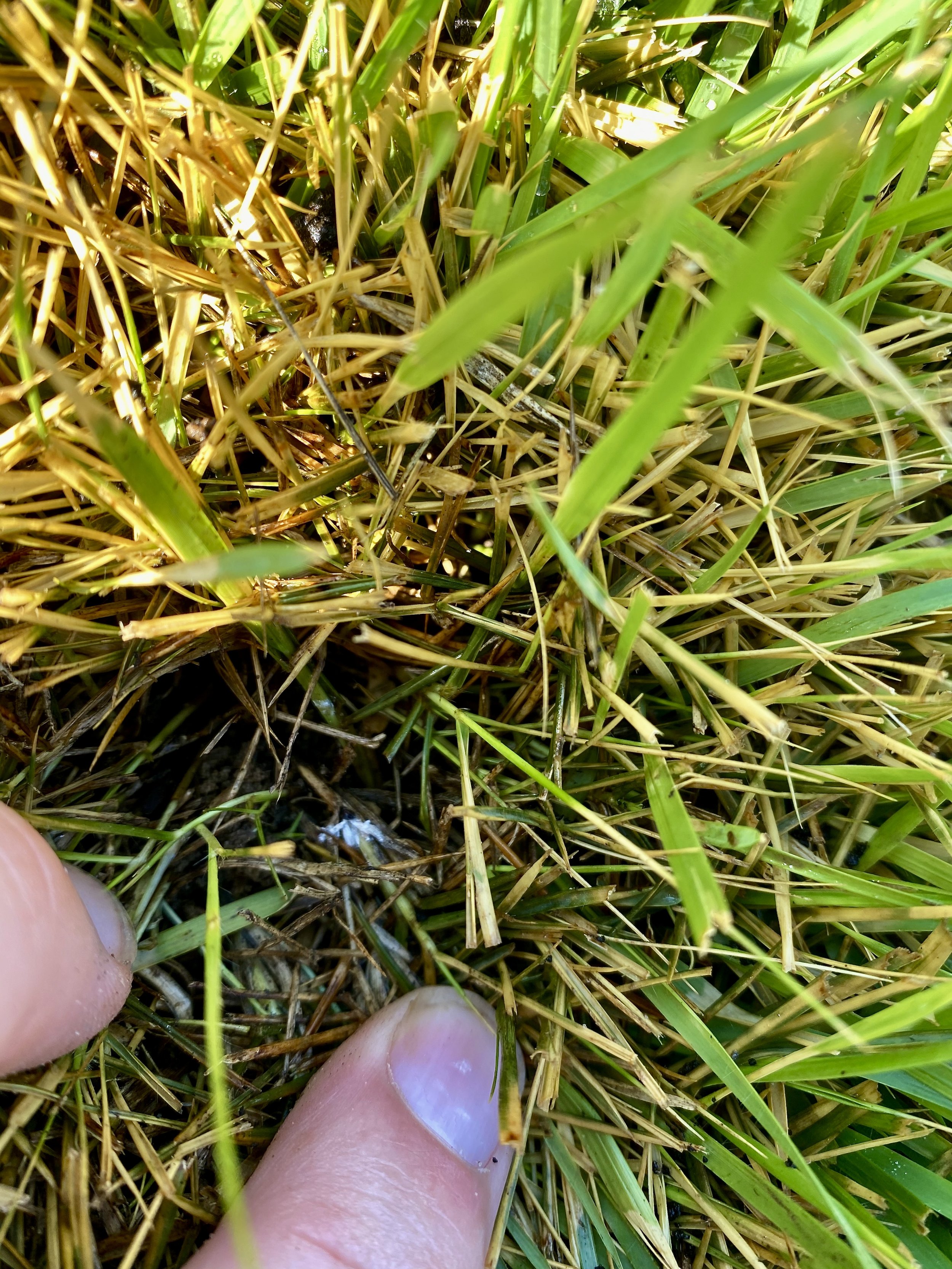
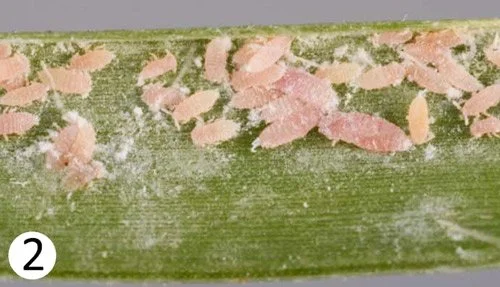
Tuttle mealybugs, Brevennia rehi, are tiny insects that feed by inserting needle-like mouthparts into the grass plant and extracting sap. They are most often associated with zoysiagrass, though they can also be found on bermudagrass. As they feed, they weaken the plant, reduce vigor, and can cause gradual thinning and decline. They also produce a white, waxy residue often found at the base of the plant.
What Damage Looks Like
One of the biggest challenges with Tuttle mealybugs is that the damage can look like several other lawn problems.
Common symptoms include:
yellowing or browning grass
thin, weak turf
patches that look dry even after watering
slow recovery
overall decline in hot weather
Because of this, the damage is often mistaken for:
drought stress
irrigation issues
heat stress
fungal disease
general turf decline
That is part of what makes this pest so tricky. A lawn can look like it just needs water, when in reality, insects may be feeding beneath the surface of the problem.
Why Thatch Matters
When it comes to Tuttle mealybugs, thatch buildup is a major factor.
Zoysia lawns with a dense thatch layer tend to be more vulnerable to infestations, and those infestations are often harder to control. Thatch creates a protected environment where pests can hide and multiply, which is why thatch management is one of the most important cultural practices for both zoysia health and mealybug prevention.
What Homeowners Can Do
While this is not an easy DIY pest to eliminate, homeowners can absolutely reduce risk by improving lawn conditions.
Helpful cultural practices:
Dethatching or core aeration when thatch becomes excessive
Proper mowing to keep zoysia healthier and more vigorous
Avoiding overwatering, which can contribute to thatch buildup
Watching closely in late summer and fall, when outbreaks tend to become more obvious
Seasonality matters here. Tuttle mealybugs seem to be more active and damaging later in the growing season, which is why addressing lawn conditions in the spring is so important.
Why Professional Help Matters
Tuttle mealybugs are not a standard lawn pest. They are difficult to identify, difficult to control, and capable of developing resistance to insecticides. On top of that, there are only a limited number of effective systemic products available for serious control.
This is exactly why having trained horticultural professionals matters.
At Natural State Horticare, our technicians are trained to recognize rare turf problems like this before they turn into widespread damage. When necessary, we can respond quickly with targeted treatments and a more aggressive management plan designed specifically for this unusually resilient pest.