
The Rose Killer
Roses are one of the most beloved plants in Southern landscapes. They bring color, structure, fragrance, and a classic look that few plants can match.
Unfortunately, roses also have one major weakness that every homeowner in Central Arkansas should understand: Rose Rosette Disease.
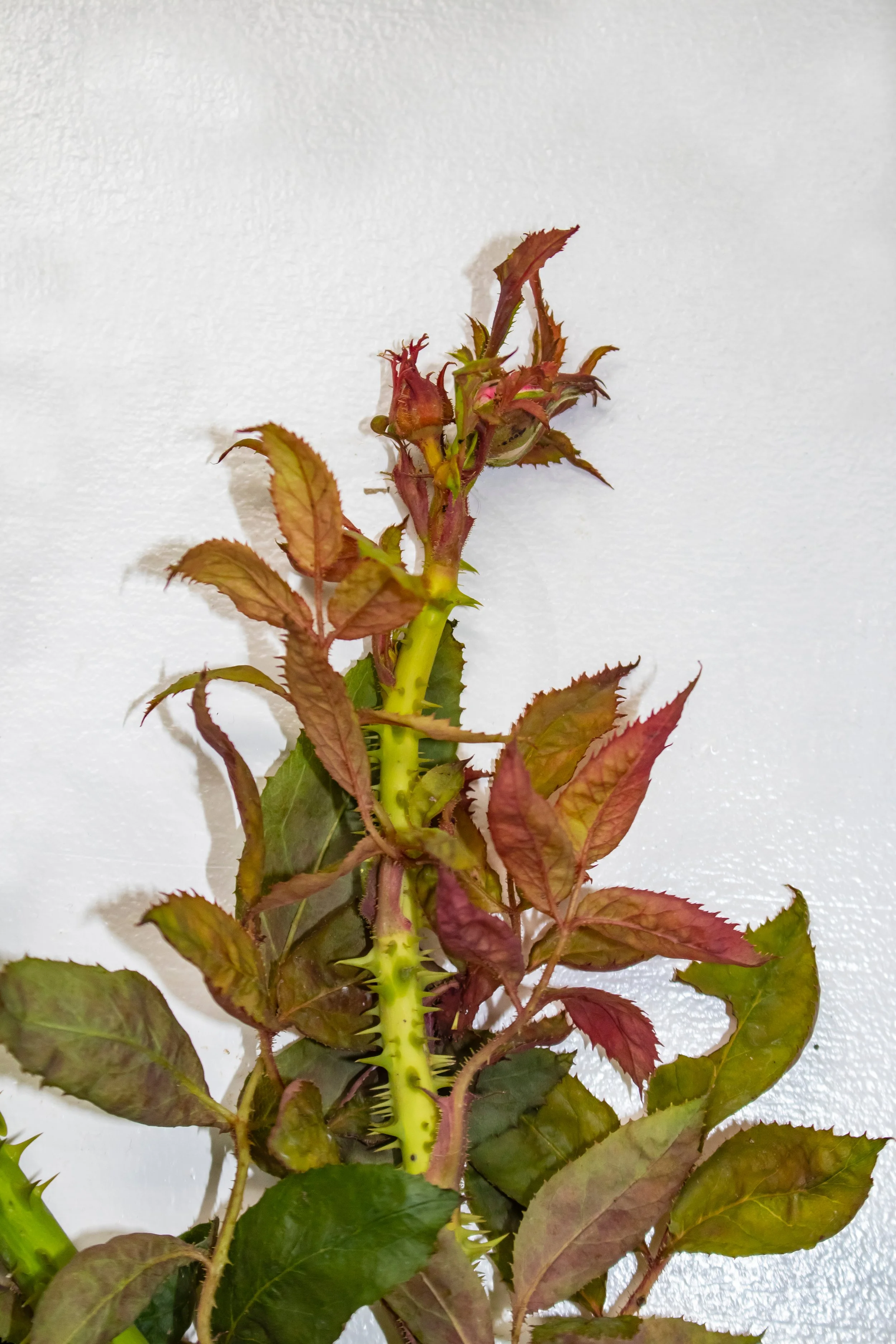
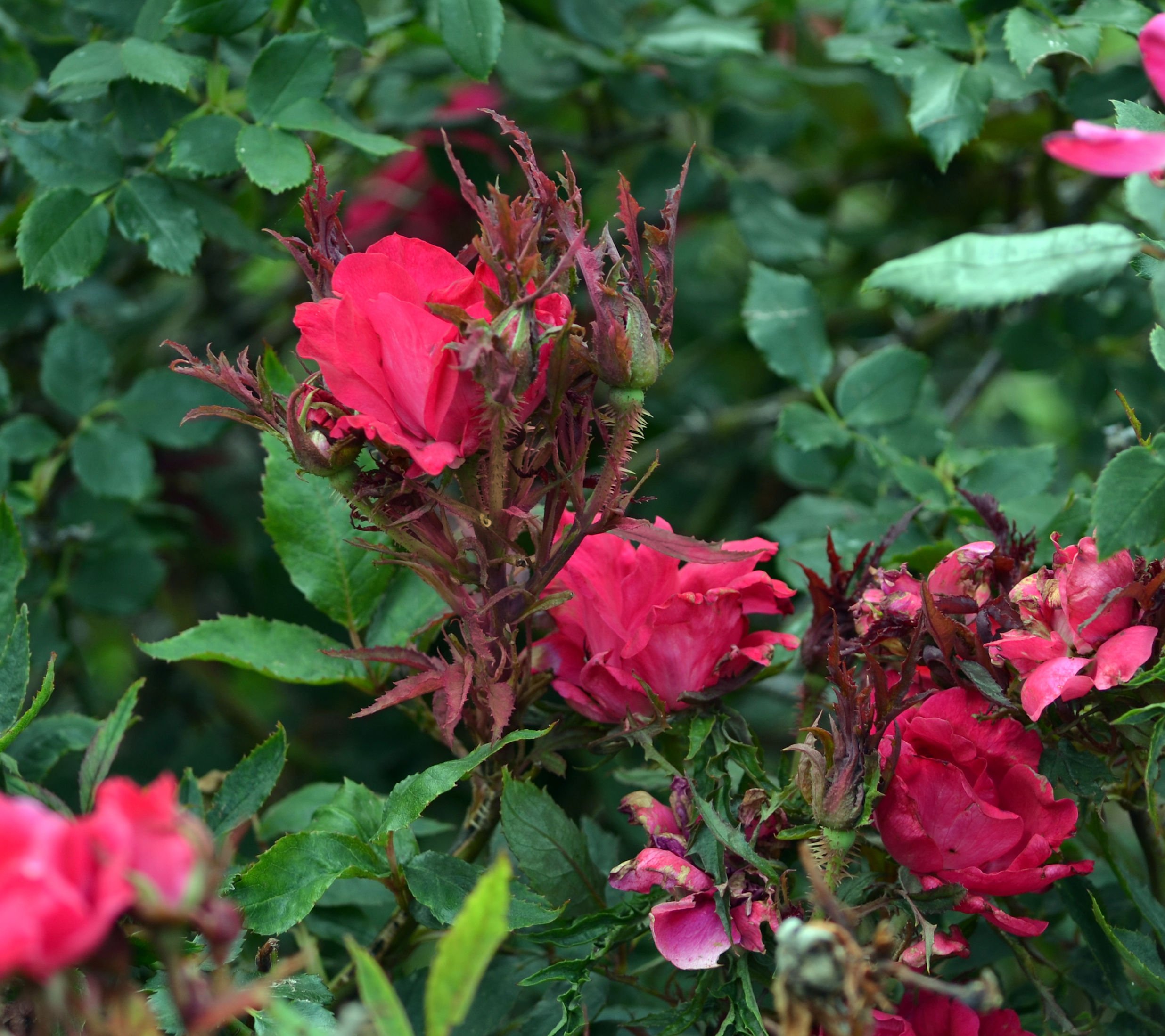
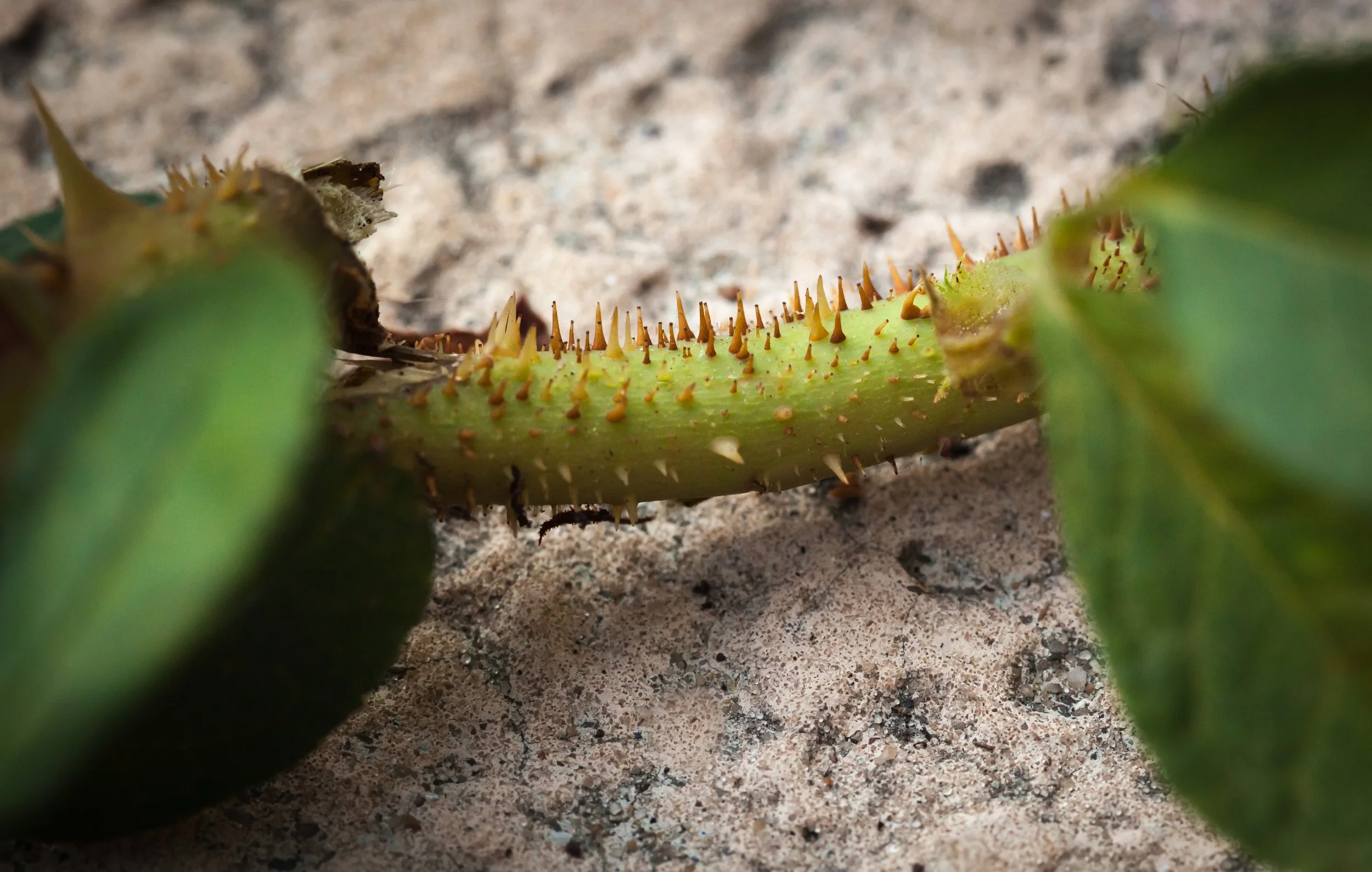
If you have ever seen a rose that suddenly looks strange, with wild red shoots, distorted growth, excessive thorns, or a tangled “witches’ broom” appearance, there is a good chance you were looking at rose rosette disease. And unlike many common ornamental issues, this is not something that can be fixed with fertilizer, pruning, or a quick spray.
-
It is caused by rose rosette virus and is spread primarily by a microscopic eriophyid mite.
These mites are so small they are nearly impossible to see without magnification.
They move from infected roses to healthy roses, often by wind or physical contact between plants.
Once the virus enters the rose, it becomes systemic, meaning it moves through the plant internally.
That is what makes rose rosette so difficult. This is not a leaf spot disease sitting on the surface of the plant. It is not a minor insect problem feeding on the outside. It is a virus inside the plant.
Once symptoms are confirmed, removal is often the only responsible option.
-
Rose rosette can look slightly different depending on the rose variety, the stage of infection, and the time of year. However, there are several warning signs homeowners should watch for.
Common symptoms include:
Rapid, abnormal shoot growth
Clusters of distorted stems, often called “witches’ broom”
Unusually red or purple new growth that does not mature normally
Excessive thorn production
Thickened, rubbery, or elongated stems
Small, twisted, or deformed leaves
Distorted flower buds or blooms
Decline in overall plant health
Dieback over time
It is important to understand that not every red shoot on a rose means rose rosette. Many healthy roses naturally produce red new growth. The concern is when the growth looks abnormal, excessive, distorted, or dramatically different from the rest of the plant.
When in doubt, it is worth having the plant evaluated before making a final decision.
-
Rose rosette spreads because the mite that carries it is tiny, mobile, and difficult to control completely. These mites often feed in protected areas of the plant, including new buds, leaf petioles, and tender shoot growth.
Dense rose plantings can make the problem worse. When roses are planted close together, mites have an easier time moving from plant to plant. Wind can also carry mites short distances, especially when infected roses are nearby.
Healthy-looking landscape can still be at risk if infected roses are growing nearby in unmanaged areas, fence lines, ditches, or neighboring properties.
-
There is no cure for rose rosette disease.
Fungicides will not cure it.
Insecticides will not reverse it.
Fertilizer will not grow the plant out of it.
Pruning is not a reliable solution once the virus has moved through the plant.
If a rose is truly infected, the best recommendation is to remove the entire plant, including as much of the root system as possible.
Leaving an infected rose in the landscape gives mites more time to spread the virus to nearby healthy roses.
That may feel aggressive, especially if the rose is large, mature, or part of a formal planting. But with rose rosette, waiting usually makes the problem worse.
-
Removal should be done carefully.
The goal is to reduce the chance of mites moving from the infected plant to nearby roses during removal.
Best practices include:
Bag the plant material before dragging it through the landscape.
Remove the entire rose, including the crown and as much root material as possible.
Do not compost infected rose material.
Dispose of the plant material off site or according to local waste guidelines.
Clean pruning tools after working around infected plants.
Inspect nearby roses closely for symptoms.
After removal, avoid immediately planting another rose in the exact same place or nearby areas.
The virus does not survive long without living rose tissue, but nearby infected roses can continue to be a source of reinfection.
-
There is no guaranteed prevention, but there are smart cultural steps that can reduce risk.
The best prevention strategy is a combination of spacing, inspection, sanitation, and plant health.
Give roses enough room for airflow. Crowded roses are more difficult to inspect, more stressful for the plants, and more favorable for mite movement.
Prune roses properly and remove suspicious growth quickly. While pruning will not cure a fully infected plant, early detection helps prevent infected plants from sitting in the landscape unnoticed.
Remove wild roses nearby when possible. This is especially important near property edges, wooded areas, drainage areas, and fence lines.
Avoid mass plantings of only roses. Mixed plantings with non-host ornamentals can help reduce the “rose-to-rose highway” that allows mites and disease pressure to move quickly through a landscape.
Most importantly, inspect roses regularly during the growing season. Rose rosette is often noticed in spring and early summer when new growth is active, but symptoms can appear at other times as well.
-
Yes you can eventually replant roses, but with realistic expectations.
Rose rosette does not mean homeowners should never plant roses again.
However, it is recommended to let the soil rest for a season before reintroducing roses. If that is too long to leave a hole in the landscape we recommend planting something outside the rose family.
If you do repalnt it should be planted thoughtfully.
Use proper spacing.
Avoid overcrowding.
Mix roses with other ornamental plants when possible.
Inspect them regularly.
Remove suspicious plants quickly.
Understand that some rose-heavy landscapes may require more monitoring than others.
-
Rose rosette disease is serious because it is viral, incurable, and easily spread by microscopic mites.
The most important thing homeowners can do is recognize the symptoms early and remove infected roses quickly. Fertilizer, fungicides, and insecticides cannot cure an infected plant. Once rose rosette is confirmed, removal is the best way to protect the rest of the landscape.
At Natural State Horticare, we believe in being honest about what can be treated and what cannot. Sometimes the best horticultural recommendation is not another product. Sometimes it is removing one plant to protect the rest of the landscape.