
Find the Topic You are Looking For

Thatch
Thatch is a layer of dead grass and organic debris that builds up between the soil and live grass, preventing water, nutrients, and air from reaching the roots. Excessive thatch can lead to disease, pest issues, and poor turf health, making removal essential for a lush, resilient lawn.

Mowing Matters
Mowing at the correct height strengthens roots, improves drought tolerance, and helps improve shade tolerance. Proper mowing minimizes stress, pests, and disease. Simply put, mowing at the right height keeps your lawn thick, healthy, and thriving!

Shade Kills
All warm-season turfgrass varieties are full-sun plants—they thrive best with maximum sunlight. Even so-called "shade-tolerant" varieties like Shade King Zoysia and St. Augustine still perform better in full sun.
We Understand Full Sun Isn’t Always Possible but, maximizing sunlight—whether through limbing up trees or adjusting landscaping—is essential for maintaining healthy, resilient warm-season turfgrass.

DIY Irrigation System
Our above-ground irrigation kit offers the convenience of a full irrigation system—without the need for digging.
Smartphone-Controlled – Easily program irrigation cycles just like an in-ground system using an intuitive app.
Independent Zones – Each zone supports up to two heads, for a total of four heads covering up to 6,000 sq. ft.
Customizable & Efficient – Delivers precise watering for optimal lawn and landscape hydration.
A great solution for homeowners looking for an irrigation system alternative!
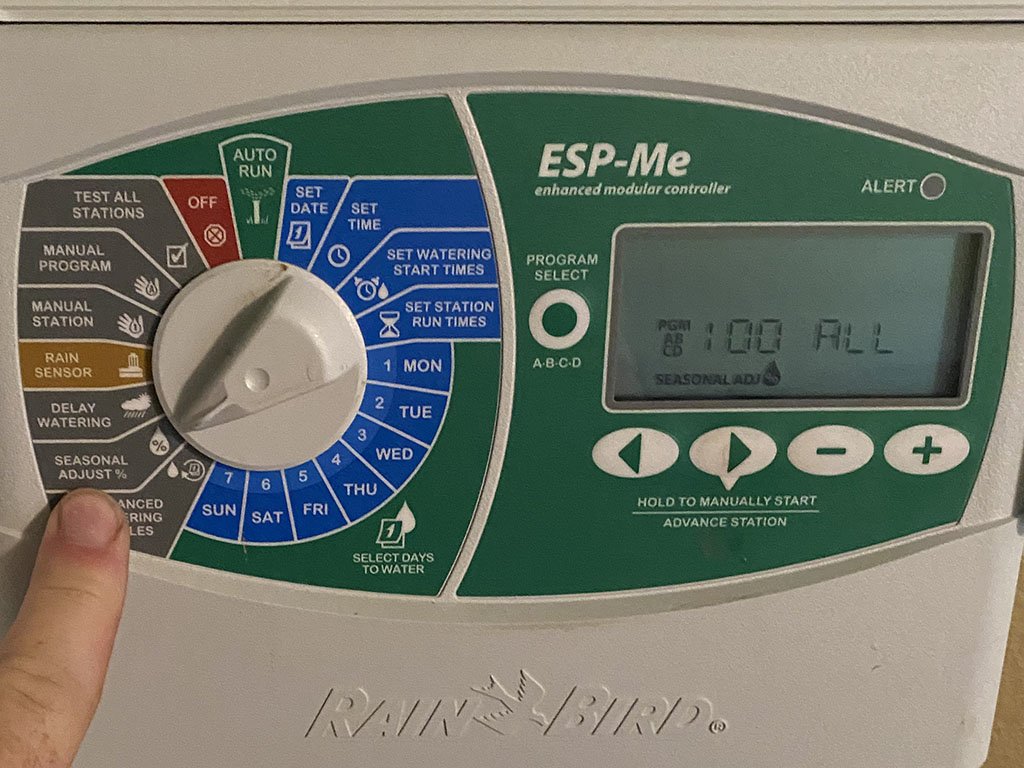
Irrigation Programming Guide
An irrigation programming guide from basic to advanced. Tried and tested techniques refined over a decade of field testing on thousands of properties.
Following this guide to get the perfect watering schedule. Never worry about over-watering or under-watering.

Armyworms
Armyworms are commonly observed moving in large groups across lawns, feeding openly during daylight hours, which aids in their detection. They are typically large caterpillars with longitudinal stripes on their bodies and a netlike pattern on their heads. The fall armyworm, a persistent pest for over a century, targets various plants, including turfgrasses, with a preference for well-fertilized bermudagrasses. They may also infest freshly sodded zoysia grass.