Upcoming Core Aeration
If you’re serious about achieving a truly elite lawn, core aeration isn’t optional… It’s foundational.
At Natural State Horticare, we view aeration as one of the most impactful services you can perform for your turf. When done correctly, it improves nearly every aspect of lawn health, from root development to disease resistance.
And like everything we do, we don’t cut corners.
What is Core Aeration
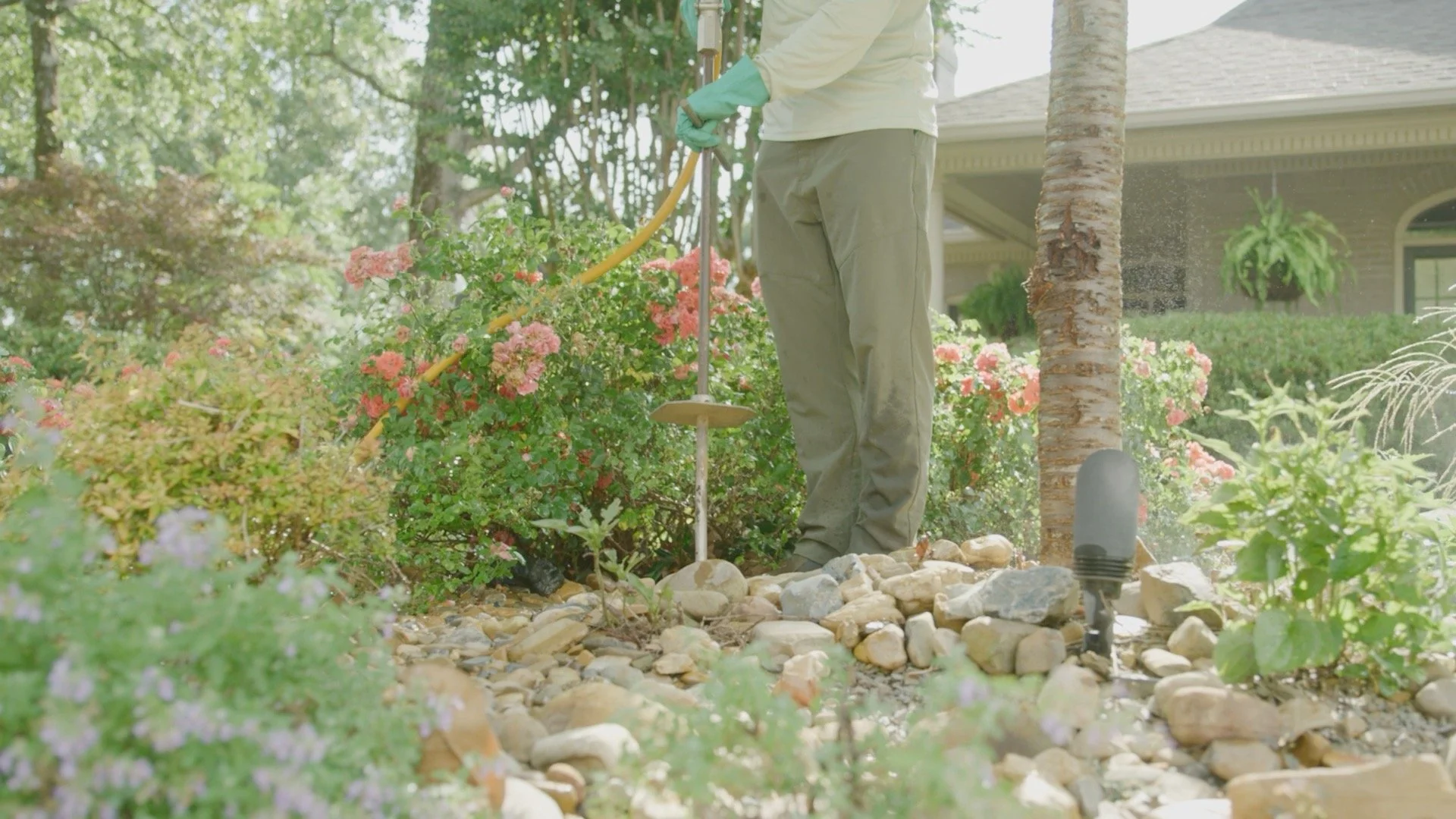
Core aeration is the process of removing small plugs of soil throughout the lawn, typically about ½ inch wide and up to 2.5 inches deep. This relieves soil compaction and creates pathways for water, oxygen, and nutrients to reach the root zone where they actually make a difference.
The result? A lawn that doesn’t just look better… it performs better.
How to Prepare for Aeration
A little preparation goes a long way toward getting the best results.
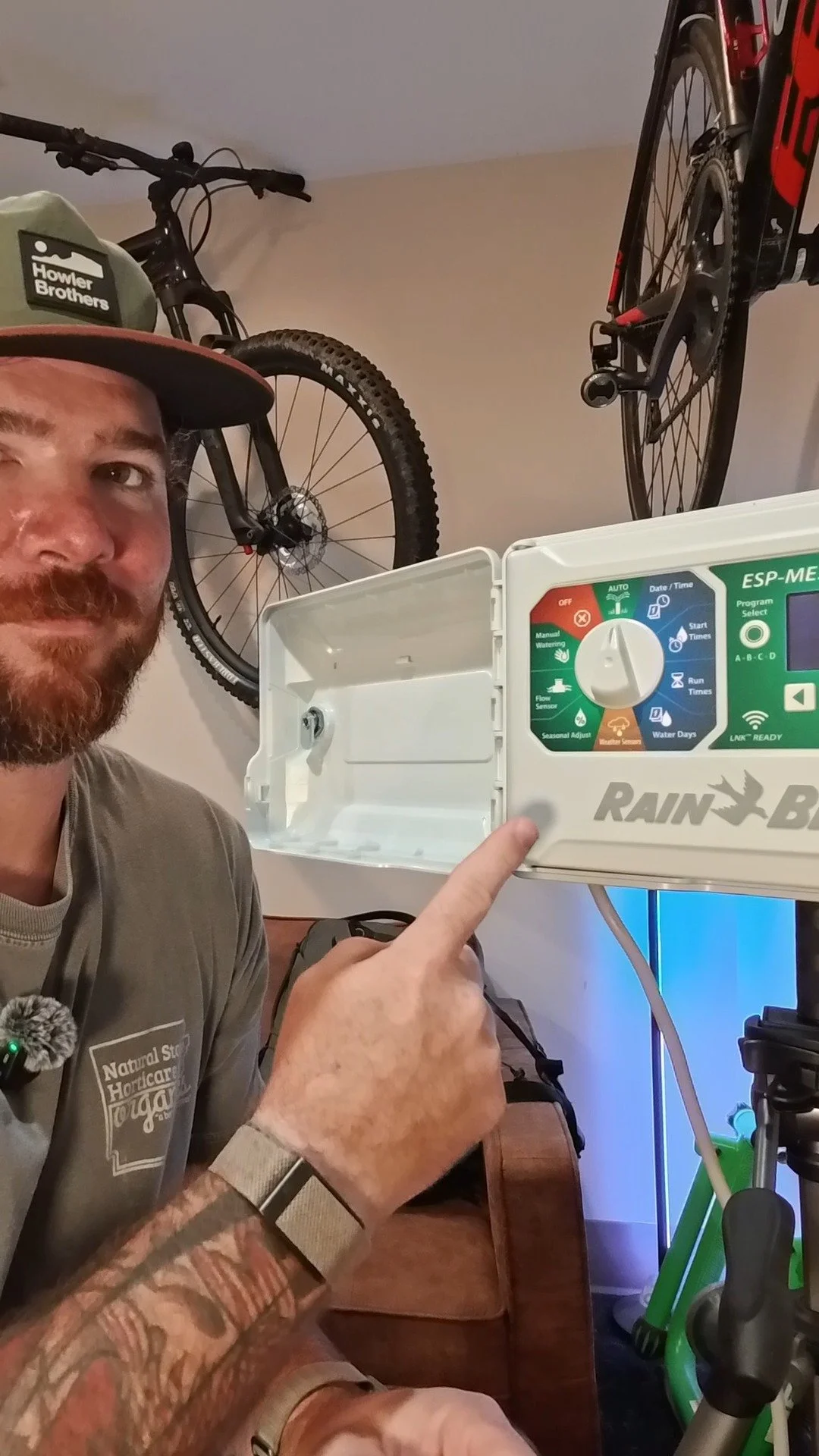
1. Flag Your Irrigation
Before your scheduled service, run your irrigation system and flag:
Sprinkler heads
Valve boxes
Drains
Flagged items are covered under our replacement guarantee.
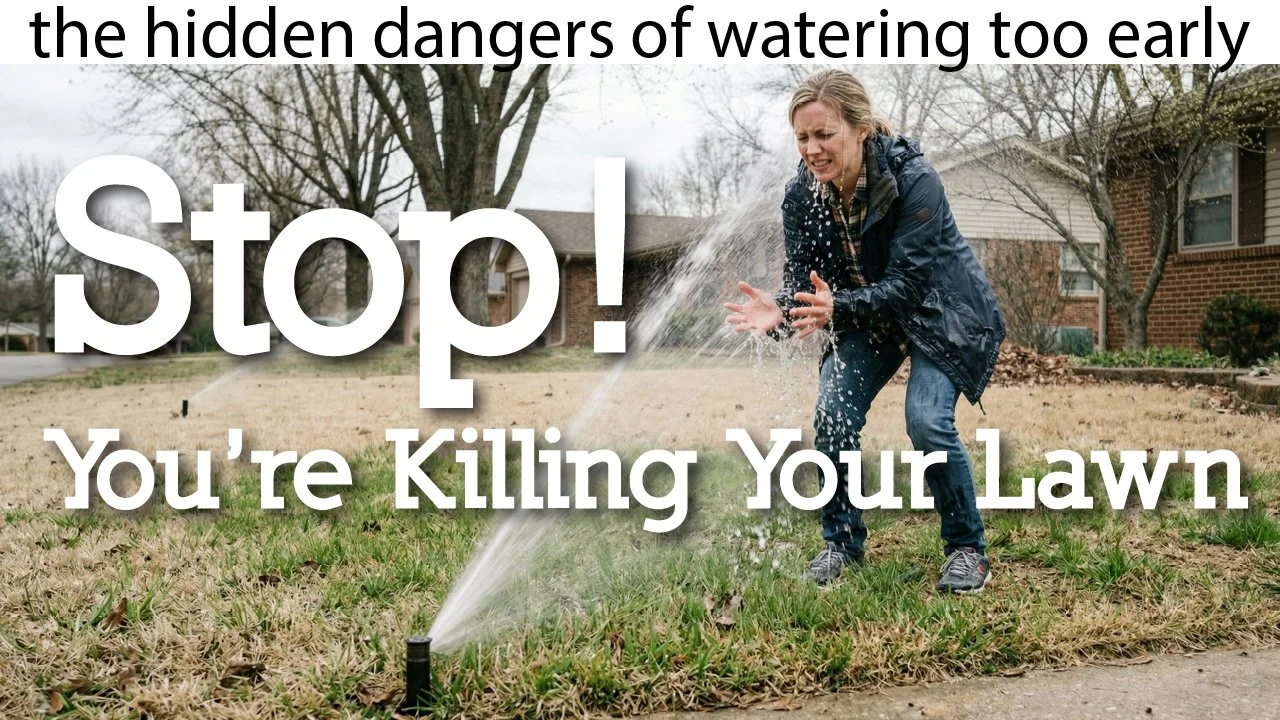
2. Water the Day Before
If rainfall has been limited, run a heavy irrigation cycle the day before service. Proper soil moisture allows our equipment to reach the ideal depth and pull clean cores.
Important Disclaimer (please read)
Core aeration uses 2–3 inch tines to penetrate the soil. While utilities should be buried well below this depth, issues can occur if they are not installed properly.
Typical minimum depths:
Gas & Electrical: 24 inches
Water, Irrigation, Cable, Phone: 12 inches
Occasionally, shallow lines such as irrigation pipes or landscape lighting may be damaged. Since we cannot verify depth or location, Natural State Horticare cannot assume responsibility for improperly buried utilities.
Timing is Everything
Aeration is incredibly beneficial… when done at the right time.
We only offer this service once per year, during the optimal window between May and June. This ensures:
The grass is fully out of dormancy
The turf can recover quickly
We avoid unnecessary stress during peak heat
Done outside of this window, aeration can actually do more harm than good. That’s why we don’t offer it year-round.
Key Benefits
Aeration works below the surface, but the results are very visible:
Disease Prevention (and fairy ring recovery)
Improved Thatch Breakdown
Deeper Root Systems
Better Nutrient Uptake
More Efficient Water Use
Thicker, Healthier Turf
Reduced Moss and Algae
What Causes Compaction
Compaction doesn’t happen overnight. It builds over time from:
Foot traffic and pets
Mowing with heavy equipment
Clay-heavy Arkansas soils
Rainfall impact and runoff
Poor drainage or grading issues
Even well-maintained lawns will eventually compact. Aeration is how we reset the soil.
How to Prevent or Minimize Compaction
While aeration is the fix, here are a few ways to slow the problem:
Use a push mower when possible
Avoid heavy traffic when the lawn is wet or dormant
Ensure proper irrigation and drainage
If you’re unsure about watering, our irrigation team can dial it in precisely.
Post-Aeration Information
There is NO need to water this treatment in.
The cores/plugs will gradually and naturally break and return to the soil. You are free to mow and use your yard as normal.
Maximize the Benefits