
Ice and Snow are Coming to Little Rock, Arkansas
Follow these Steps to Minimize Damage
Long-Term Winter Preparation
The best defense against winter stress is a healthy lawn and landscape going into the season.
Here are a few things Natural State Horticare does to help clients succeed:
We maintain dense, well-rooted turf as it heads into winter dormancy.
We avoid late-season fertilization that encourages tender growth while providing just the right amount to help plants “harden off” before dormancy.
As part of our regular services, we identify potential drainage issues that can cause pooling and oversaturation near roots as the snow and ice melt.
We emphasize soil and root health by incorporating premium organic products into all our programs, improving resilience and recovery.
Warm-season grasses like Bermuda and Zoysia rely on stored energy during winter. Anything that weakens roots beforehand increases the risk of damage.
Urgent Prep Before a Freeze
When a storm is approaching, a few simple steps can significantly reduce damage.
Cover sensitive ornamentals like boxwood, hollies, and newly planted shrubs
Lightly water plants if the soil is dry before a hard freeze. Moist soil retains heat better.
Ideally, this is achieved via a deep watering several days before a hard freeze (2-3 days minimum). However, evaporation rates are slow at this time of year, so be careful not to overdo it.
If possible, move potted plants under cover or, ideally, indoors until extreme weather passes.
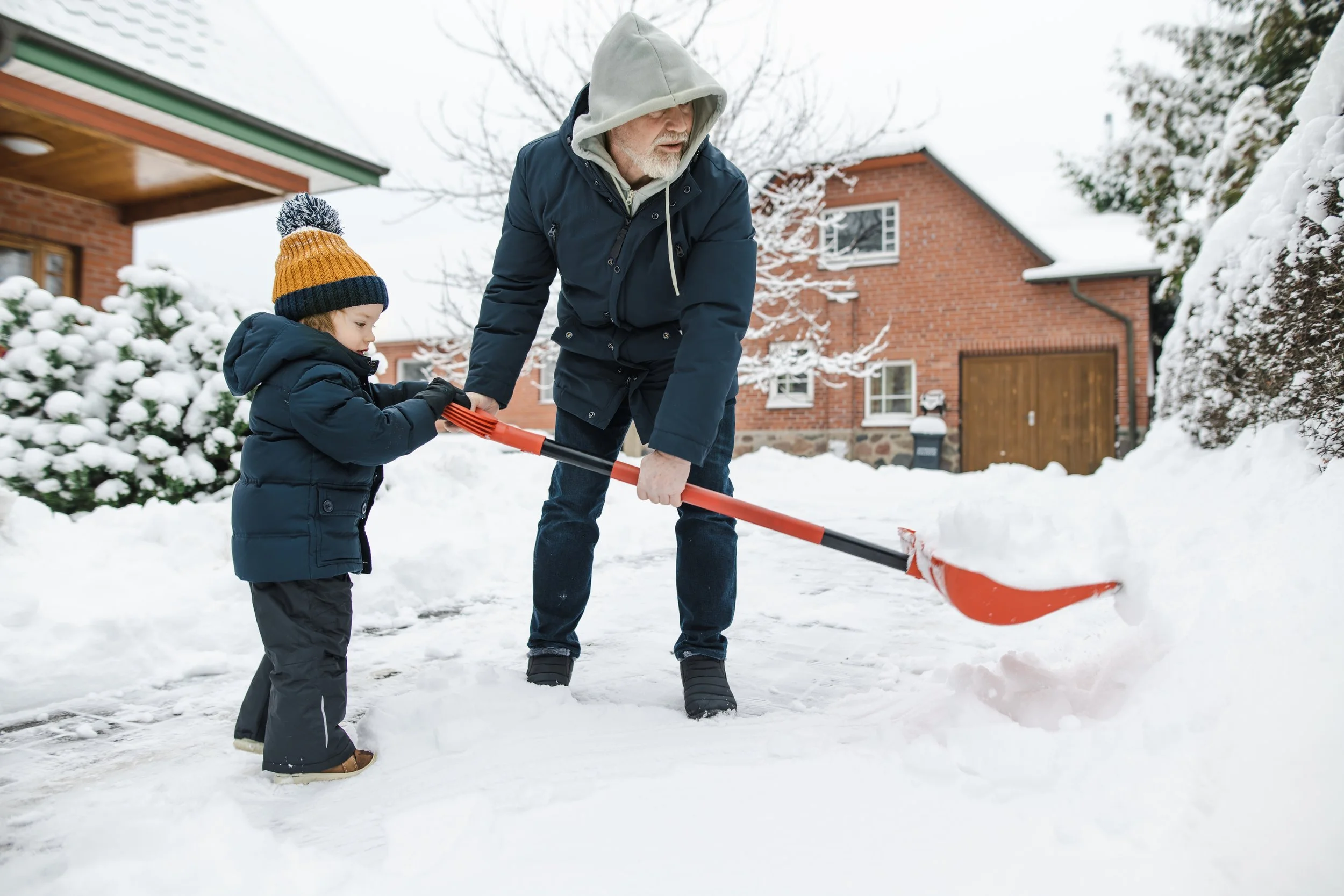
Plan where the snow will be piled before shoveling.
Piles of snow take a very long time to melt, damaging any grass or plants buried beneath them.
Use ice melt sparingly and only where absolutely necessary.
Snow Melt Products are damaging to turf and soil and should be avoided whenever possible.
How to Recover Your Lawn and Landscape After Snow and Ice
Avoiding Damage During Cleanup
Much of the damage we see happens after the storm, not during it.
Pile shoveled snow only in open lawn areas where turf damage is acceptable!!!
Never dump salty snow into landscape beds or onto your lawn.
Avoid foot traffic while the soil remains saturated.
Keep vehicles and equipment off lawns until the ground firms up.
As snow melts, soil can stay saturated for several days. Traffic during this period compacts soil and suffocates roots, slowing spring recovery.
Active Recovery After the Storm
Once temperatures stabilize and surfaces thaw, recovery can begin.
Rinse plants near driveways and sidewalks to dilute salt residue
Deeply water turf edges to help leach salts away from the root zone
Wait until spring to prune damaged shrubs. Many plants recover slowly
Watch for delayed green-up or thinning grass near hard surfaces
For lawns or plants that struggle to rebound, active recovery may include fertility amendments and/or liquid aeration once turf is actively growing, and targeted nutrient support to rebuild root strength.
Winter storms are short-lived, but the stress they cause can linger well into the growing season. Thoughtful preparation and early recovery steps help your lawn and landscape bounce back faster and stronger.