
The Hidden Dangers of Watering Too Early in Spring
Every year, like clockwork, after a few warm days with temperatures pushing into the 80s… maybe even close to 90°. Lawns start to green up, and instinctively, clients feel the itch to water.
Here’s the problem. It’s too early.
And watering too early in the season is one of the most common mistakes we see. It doesn’t help your lawn or plants. In many cases, it actually causes damage that takes months to recover from.
Let’s break down why.
The Illusion of “Dry” Conditions
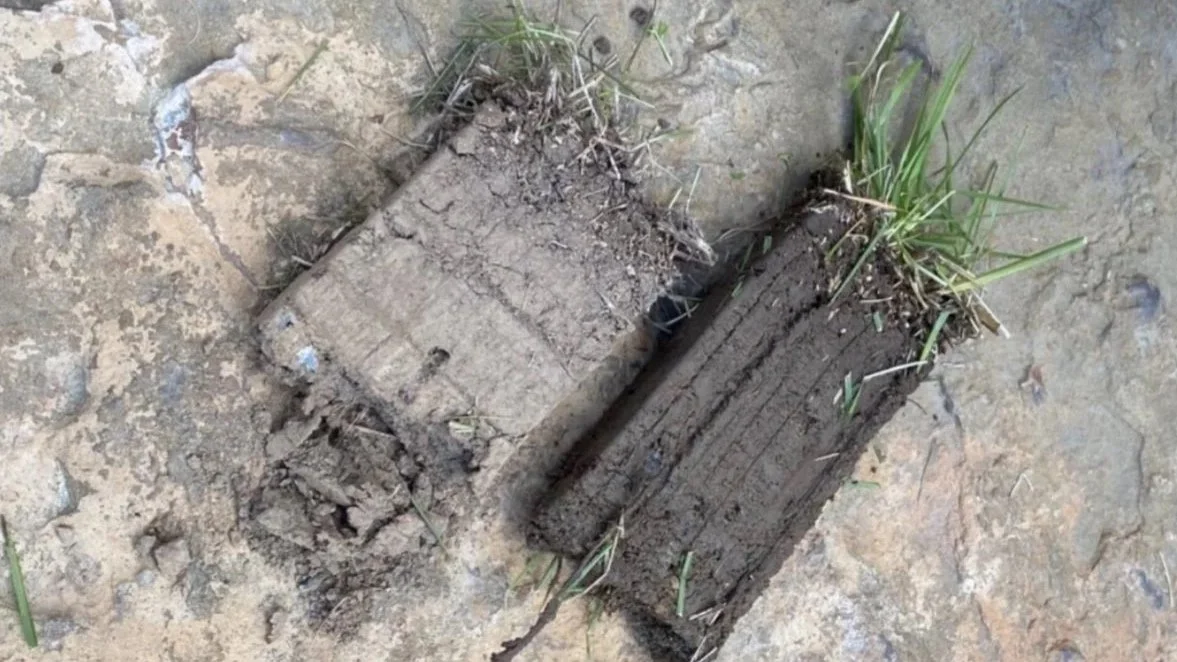
Even in years where we’re technically in a drought or under a burn ban, early spring conditions in Central Arkansas tell a different story below the surface.
We’ve just come out of months of winter saturation
Soil profiles are still holding moisture from rain and snow melt
Nighttime temperatures are still low
Daylight hours are still relatively short
All of this means one thing. Your soil is still holding more moisture than you think.
That top layer might look dry, but just a few inches down, there is still plenty of available water for roots to access.
Why Watering Too Early Is a Problem
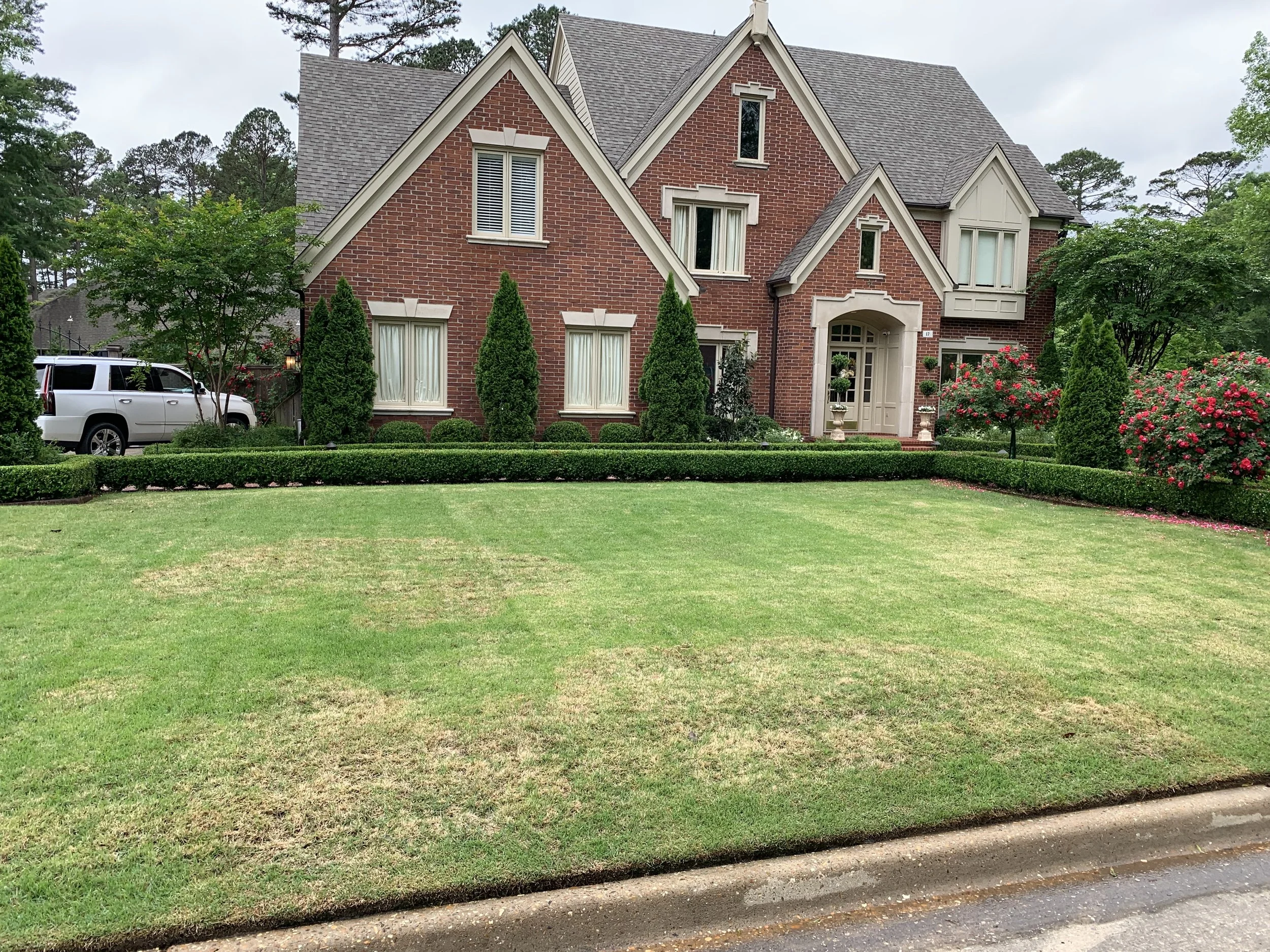
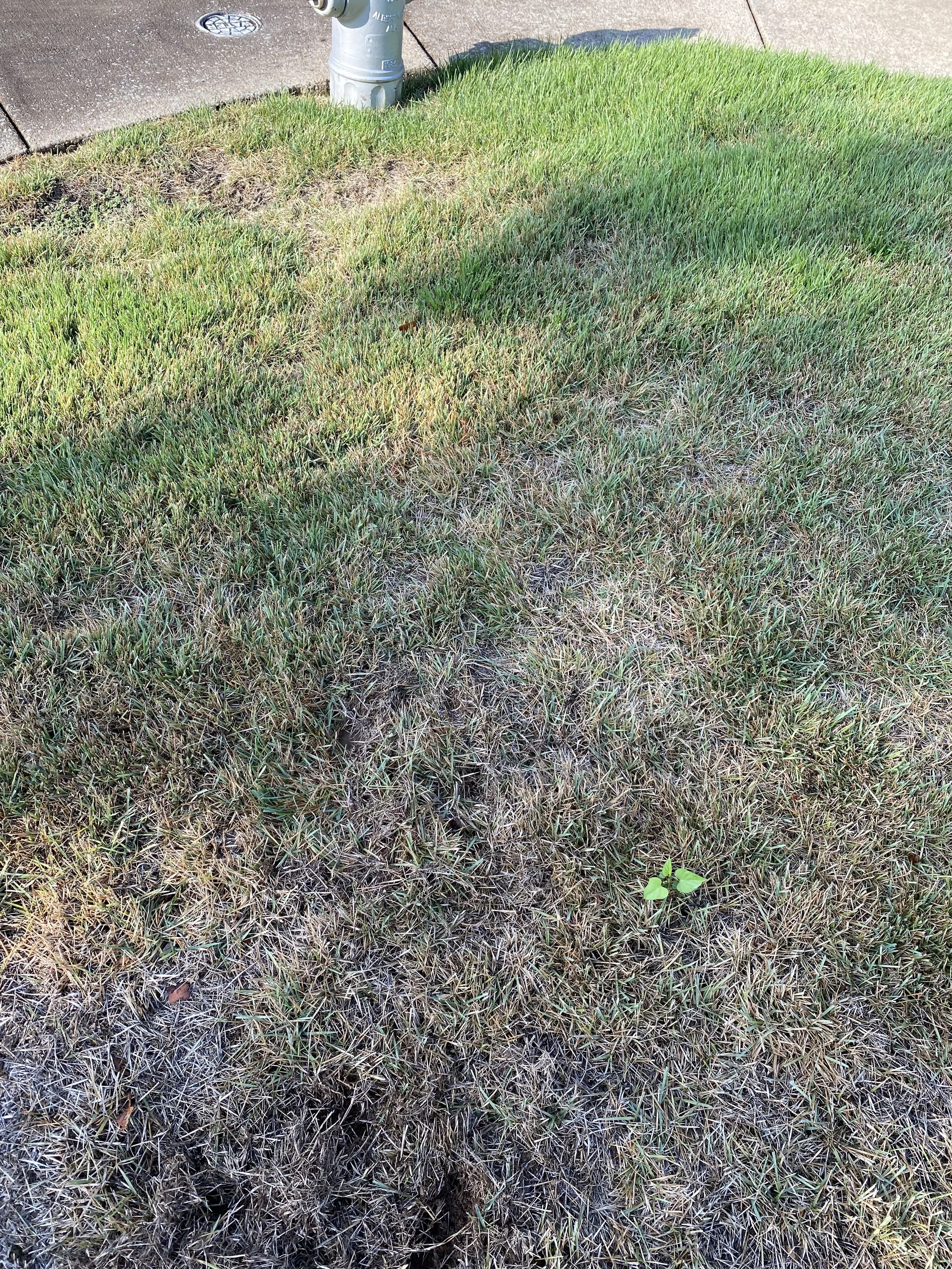
1. It Dramatically Increases Disease Risk
This is the biggest issue, and the one most people don’t see coming.
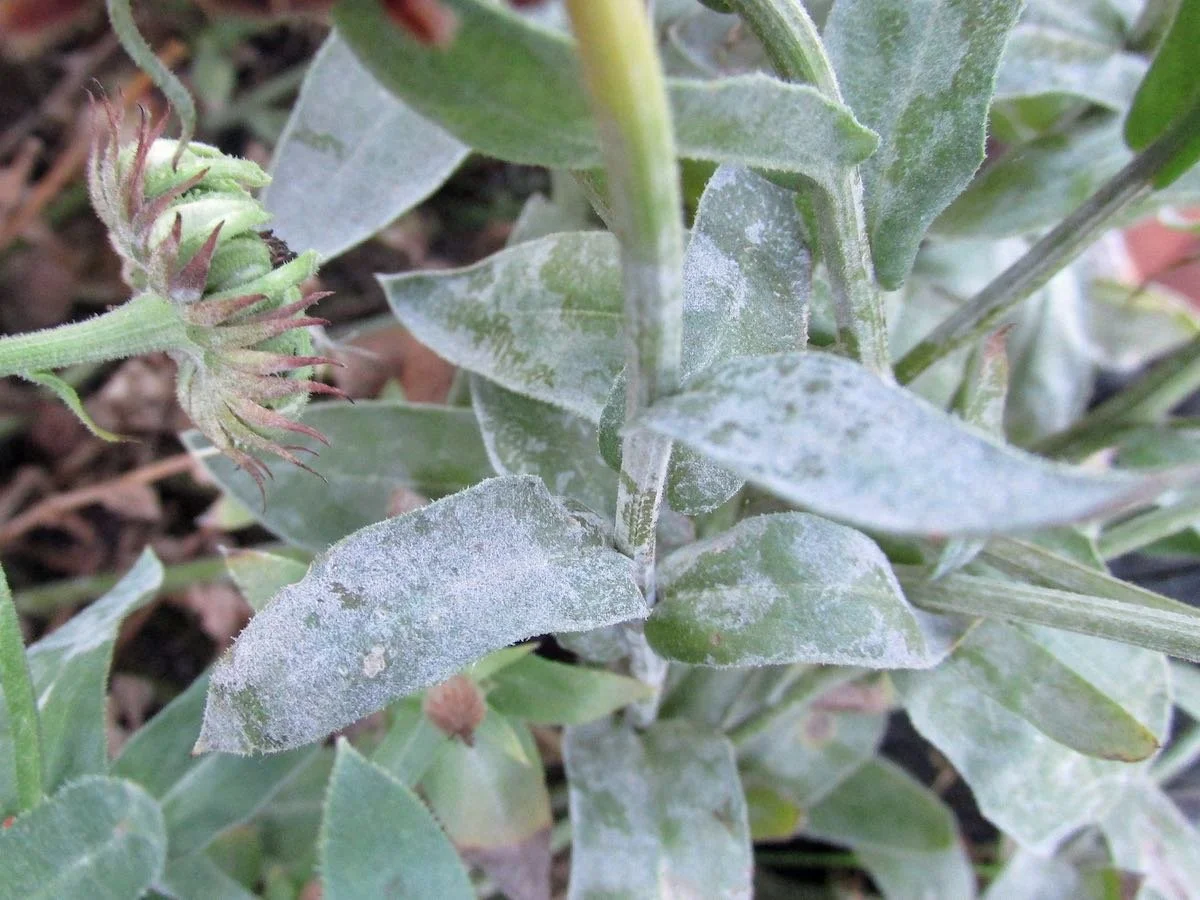
Cool soil + excess moisture = the perfect environment for fungal disease
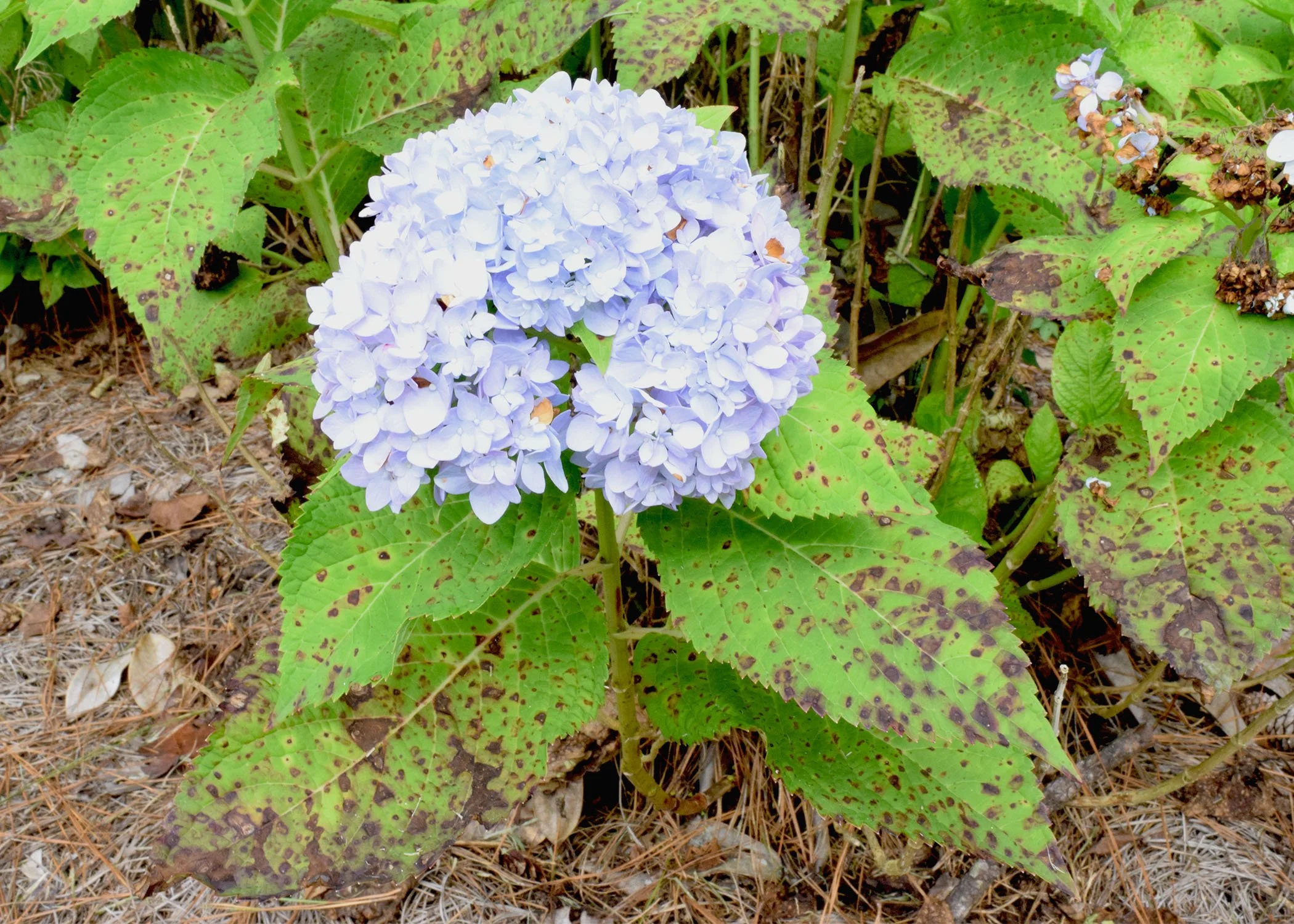
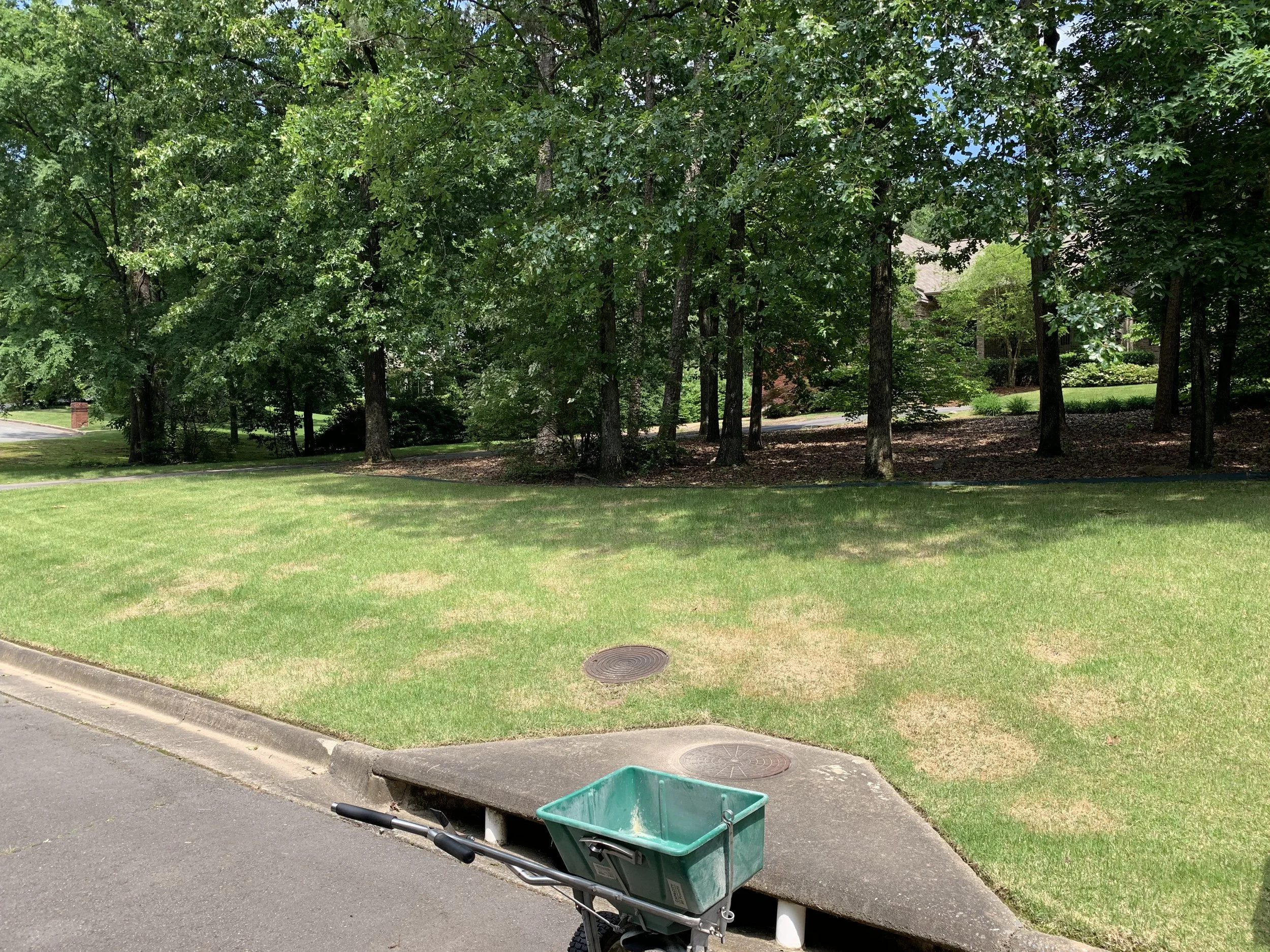
Diseases like Large Patch and leaf spot pathogens thrive in exactly these conditions. When you add irrigation to already moist soil, you’re accelerating the problem.
2. It Disrupts Natural Plant Cycles
Plants are incredibly well adapted to seasonal transitions. Early spring is a time of gradual wake-up, not peak growth.
Excess water too early causes:
Push growth before the plant is ready
Increase susceptibility to stress
Create imbalances in nutrient uptake
Patience during this phase leads to better performance later in the season.
Susceptible Grass Types: Zoysia, Centipede, and St. Augustine
These grasses are built for heat and drought. They thrive in summer conditions, but they are extra sensitive to disease in Spring and Early Summer.
What’s happening right now:
Roots are active, but top growth is just beginning
Soil temperatures are still fluctuating
The plant is transitioning out of dormancy
Ornamental Trees & Shrubs
This same principle applies to your landscape beds, and in many cases, the stakes are even higher. Adding irrigation too early can create prolonged damp conditions, especially around the root zone and lower foliage.
What this leads to:
Root rot
Fungal leaf diseases
Increased pest pressure
Many of the plant issues we diagnose in late spring and early summer can be traced back to overwatering too early in the season.
What they actually need
In most cases… Nothing yet
Natural rainfall combined with existing soil moisture is more than enough to support early spring growth. Overwatering doesn’t make plants healthier. It just increases risk.
When Should You Start Watering?
Irrigation typically becomes necessary around Mid-May. However, instead of watching daytime highs or calendar dates, look for:
Consistently warm nights
Longer daylight hours
Soil is beginning to dry out deeper in the profile
DO NOT WAIT for signs of actual drought stress!!!
Our Approach
At Natural State Horticare, everything we do is built around timing and long-term results.
That includes irrigation.
We don’t rush spring startups just because of a warm week. We time everything to align with:
Soil conditions
Plant biology
Disease prevention
Because the goal isn’t just a green lawn today
It’s a healthier, more resilient landscape all season long.