
Diamonds are Forever. Plants Die…
…but they cost about the same

Most homeowners know their lawn needs regular care. The lawn is visible, easy to judge, and often the first thing people notice from the street.
But in many premium landscapes, the most valuable part of the property is not the grass.
It is the ornamental plants.
Japanese maples. Arborvitae. Azaleas. Hydrangeas. Boxwoods. Hollies. Crape myrtles. Roses. Camellias. These plants give a home structure, privacy, color, texture, softness, and curb appeal. They are also far more expensive than most homeowners realize.
A moderately mature Japanese maple can cost more than $500 at a local nursery. A moderately mature arborvitae can cost more than $200. Even a single azalea can cost around $40 before delivery, installation, soil preparation, mulch, irrigation, or labor.
Now multiply that across an entire property. It adds up FAST!
A seemingly simple landscape can easily represent $10,000 - $20,000 in plant material alone. For some higher-end properties, the investment can push well into six figures.
That kind of investment should not be treated like an afterthought.
Replacement Is More Expensive Than Prevention
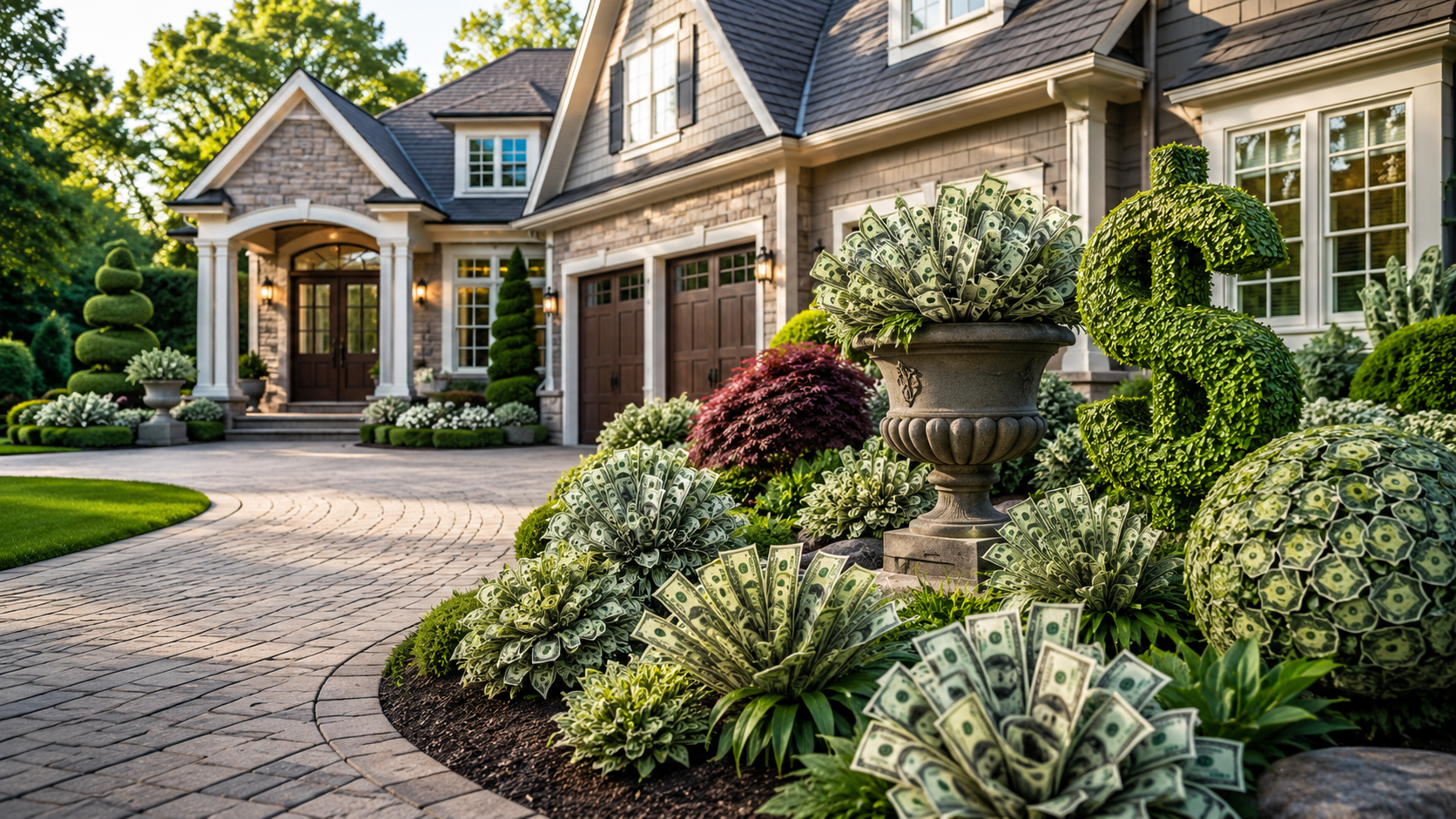
When a shrub or ornamental tree starts declining, many homeowners wait to see what happens.
Sometimes that works. Often, it does not.
By the time a plant looks bad enough to get attention, the problem may already be advanced. Root stress, fungal disease, scale, mites, bagworms, poor drainage, heat stress, or nutrient deficiencies can quietly weaken a plant for weeks or months before the damage becomes obvious.
At that point, the options become limited.
You can try to recover the plant, which may take YEARS and may not fully restore it. Or you can remove and replace it, which is almost always more expensive than people expect.
Replacement costs can include:
Removing the old plant
Hauling away debris
Purchasing the new plant
Delivery
Labor
Soil preparation
Mulch
Irrigation adjustments
Time for the new plant to establish itself
Years of waiting for it to reach the same size
That last point is important.
A mature landscape cannot always be replaced with one trip to the nursery.
Some Plants Are Practically Priceless
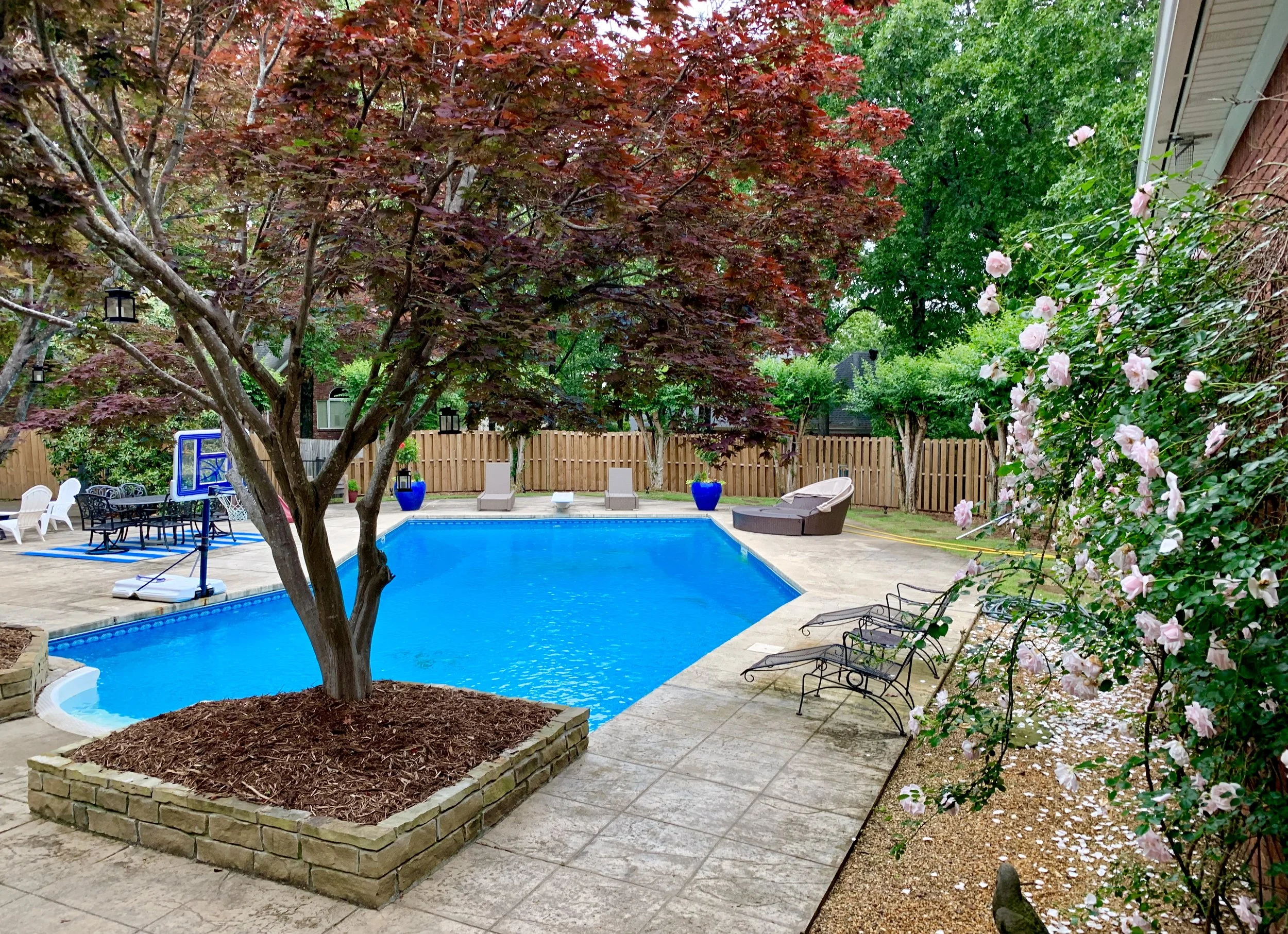
A mature Japanese maple near the front entrance is not just a plant. It may be the focal point of the entire landscape.
A row of established arborvitae may provide privacy that took years to create.
A mature hedge may frame the home, screen a neighbor, soften a pool area, or make the whole property feel finished.
If one of those plants fails, you may not be able to buy the same size again. And even if you can, the cost of purchasing, transporting, and installing a large mature plant can be outrageous.
In many cases, what is lost is not just the plant.
It is time.
You are losing years of growth, maturity, structure, and visual impact.
That is why preventive ornamental care often makes simple financial sense.
The Cost of Care
We are very comfortable saying this: our ornamental program is not the cheapest option.
It is not designed to be.
A cheap program usually means one of two things. Either the products are less specialized, or the technician has less time to inspect and treat the landscape properly. Often, it is both.
That may be fine for a simple property with low expectations.
But for a premium landscape, the cheapest option can become expensive quickly.
If a $200 arborvitae dies, the replacement cost is not just the cost of the plant. The cost of removal and replanting can easily triple the cost of any given plant.
Compared to the cost of replacing mature plants, the cost of keeping them healthy isn’t just reasonable, it is the financially sound option.
Protect Your Investment
Our ornamental programs are built to protect and improve the landscape you already own.
We focus on balanced fertility, root support, micronutrients, pest prevention, disease management, and regular professional inspection. The goal is not simply to make plants look good for a few weeks.
The goal is long-term plant health.
Healthier plants tend to have better color, stronger root systems, fuller growth, better bloom potential, and more resilience when Central Arkansas throws heat, humidity, drought, insects, and disease pressure at them.
That does not mean every plant can be saved forever. Plants are living things, and they can be affected by age, weather, planting mistakes, drainage problems, construction damage, and other factors outside anyone’s control.
But a thoughtful ornamental program dramatically improves the odds.
Good to Great Landscapes
Many landscapes are not failing. They are just underperforming.
The plants are alive, but the color could be better. The blooms could be stronger. The shrubs could be fuller. The overall look could be more polished, more vibrant, and more intentional.
That is where premium ornamental care shines.
It is not only about rescue. It is about helping good landscapes become great ones.
A well-maintained ornamental landscape makes the entire property feel more valuable. It frames the home, improves curb appeal, softens hardscapes, adds privacy, and creates the finished look that premium properties deserve.
The Bottom Line
Your landscape plants are not just decoration.
They are an investment.
For many homeowners, that investment is much larger than they realize. And in most cases, protecting that investment costs far less than replacing it after the damage is done.
Our ornamental program is not the cheapest option.
But for clients with valuable plants, mature landscapes, and high expectations, it almost always makes sound financial sense.
Because the best time to protect a landscape is before it starts falling apart.