
Elevated Ornamental Care
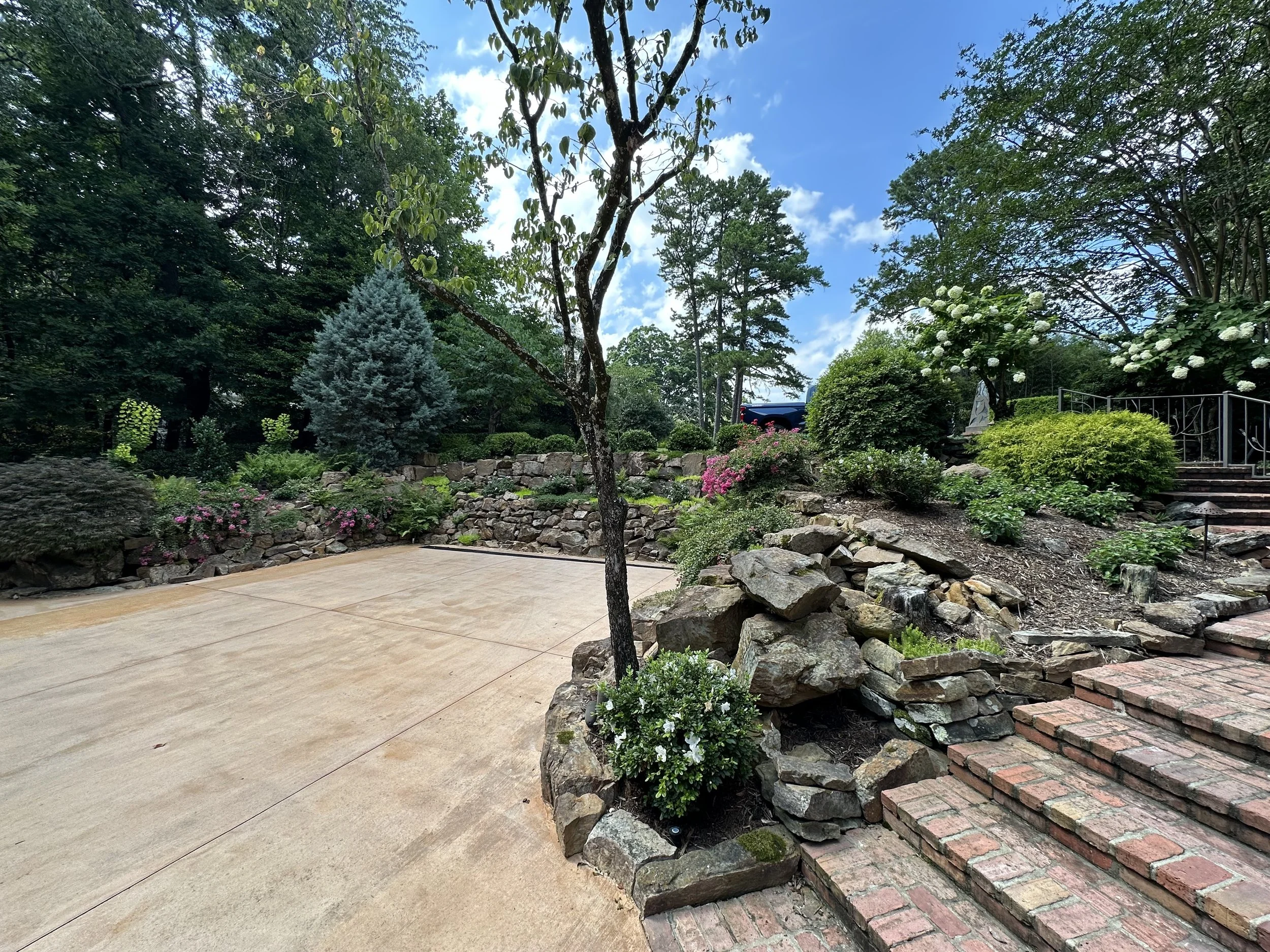
Sales Pitch vs Actual Quality
A good sales pitch or the power of a big-name brand can “muddy the water,” making it hard for the average homeowner to distinguish between a truly advanced ornamental program and a generic one.
However, you can usually tell the difference if you dig a little deeper.
A dead giveaway that you're being sold a generic program is a lack of transparency. If they use generic platitudes and fluffy language but don’t give you details, that may be a bad sign.
The difference is in the details. Look for real, tangible differences in products and approach.
At Natural State Horticare, our ornamental program is not designed as a basic “spray the shrubs and move on” service. It is a more advanced plant health care program built around fertility, Integrated Pest Management, seasonal timing, product selection, and extensive training.
Too Easy
Many ornamental programs rely on broad-spectrum products that can control a wide range of pests or diseases. These products and methods are fast, effective, and require very little training.
Good for business, bad for biodiversity and your health.
While convenient, applying broad-spectrum products indiscriminately is harmful to beneficial insects, pollinators, and other organisms that help keep the landscape naturally balanced.
Like most things, the best solution is nuanced. Unfortunately, being nuanced adds complexity. As a business owner, I empathize with the instinct to avoid complexity and our competitors' choice to take a broad-spectrum approach. I agree that chemical insecticides and fungicides have a place in horticulture, but they should be used responsibly.
We are stubbornly choosing to accept the inherent complexities of our approach because we understand the chemistries and their nuanced use cases.
Too Fast
A broad-spectrum approach to ornamental care is fast and profitable, but speed also means less time with the plants and missed diagnoses.
Less plant knowledge. Less training. Less time on the property.
When technicians carry “do it all” products, they don’t have to diagnose. They can just spray, which lacks diagnostic experience and undermines their approach.
If you’re paying attention, plants are constantly communicating and giving clues. It may be obvious that a plant is struggling with mites, scale, or fungal disease, but why?
Using targeted products is not only safer but also requires more time for diagnosis and a higher likelihood of detecting underlying conditions.
The plant may have pests because it was weakened by drought stress. It may have fungus due to overwatering, poor drainage, or insufficient sun exposure. Root stress can be caused by mulch being piled too high.
We obviously want to address the immediate issue at hand, but addressing the underlying cause is key to long-term horticultural success and reduces the need for chemical intervention.
Our Ornamental Philosophy
Our ornamental care programs are built around 4 core ideas.
Sustainable Fertility: properly fed plants are stronger, greener, fuller, more resilient, and more beautiful, without excessive overgrowth.
Proactive Protection: stopping damage before it starts minimizes unsightly damage and long recovery periods.
Targeted Intervention: By using the most advanced products applied precisely, we can drastically reduce chemical exposure while maintaining optimal plant health.
Training & Expertise: extensive on-the-job training and methodical approach provide our technicians with the skills and tools to diagnose and notify clients of underlying conditions.
Not every plant on the property needs the same chemical treatment every visit. All plants need fertility, but some need more attention. Some plants are inherently more prone to pests and diseases. Some need to be monitored for environmental stress, such as over- or under-watering.
Plants like crape myrtles may warrant preventive treatment due to a high likelihood of, or history of, scale.
Arborvitae are highly vulnerable to bagworms. Crape myrtles are prone to scale. Boxwoods can struggle with mites, disease pressure, root stress, and environmental issues. Different plants have different risks, and they should not all be treated the same.
The goal is simple:
Use the right product, on the right plant, at the right time, for the right reason.
That is how we reduce unnecessary chemical use without sacrificing results.
The Details (our 2-tank approach)
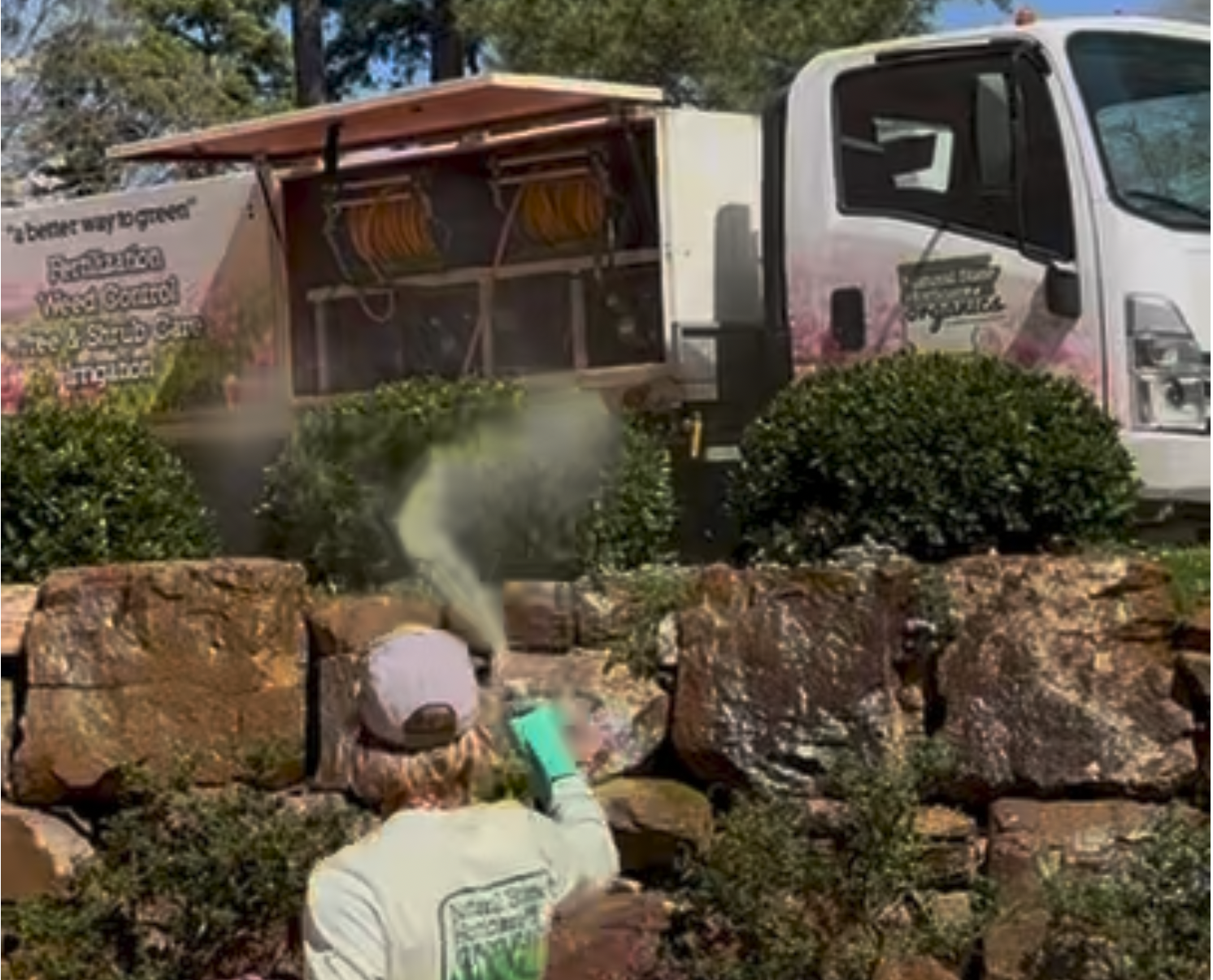
One of the most important parts of our program is our “Tank A” and “Tank B” approach.
Tank A is the primary plant health side of the program. These applications focus on fertility, micronutrients, root support, biological support, and overall plant resilience.
Tank B is reserved for pest and disease pressure. It is not automatically applied to every plant just because we are on the property.
Tank B is used in two main situations:
A plant is showing active signs of pests or disease.
A plant is highly prone to a pest or disease that can cause serious damage if left untreated.
This allows us to protect vulnerable plants without treating the entire landscape like every plant has the same problem.
That matters.
It means fewer unnecessary chemical applications, better protection where it is actually needed, and a more responsible approach to plant health care.
5 Vs 7 Treatment Program
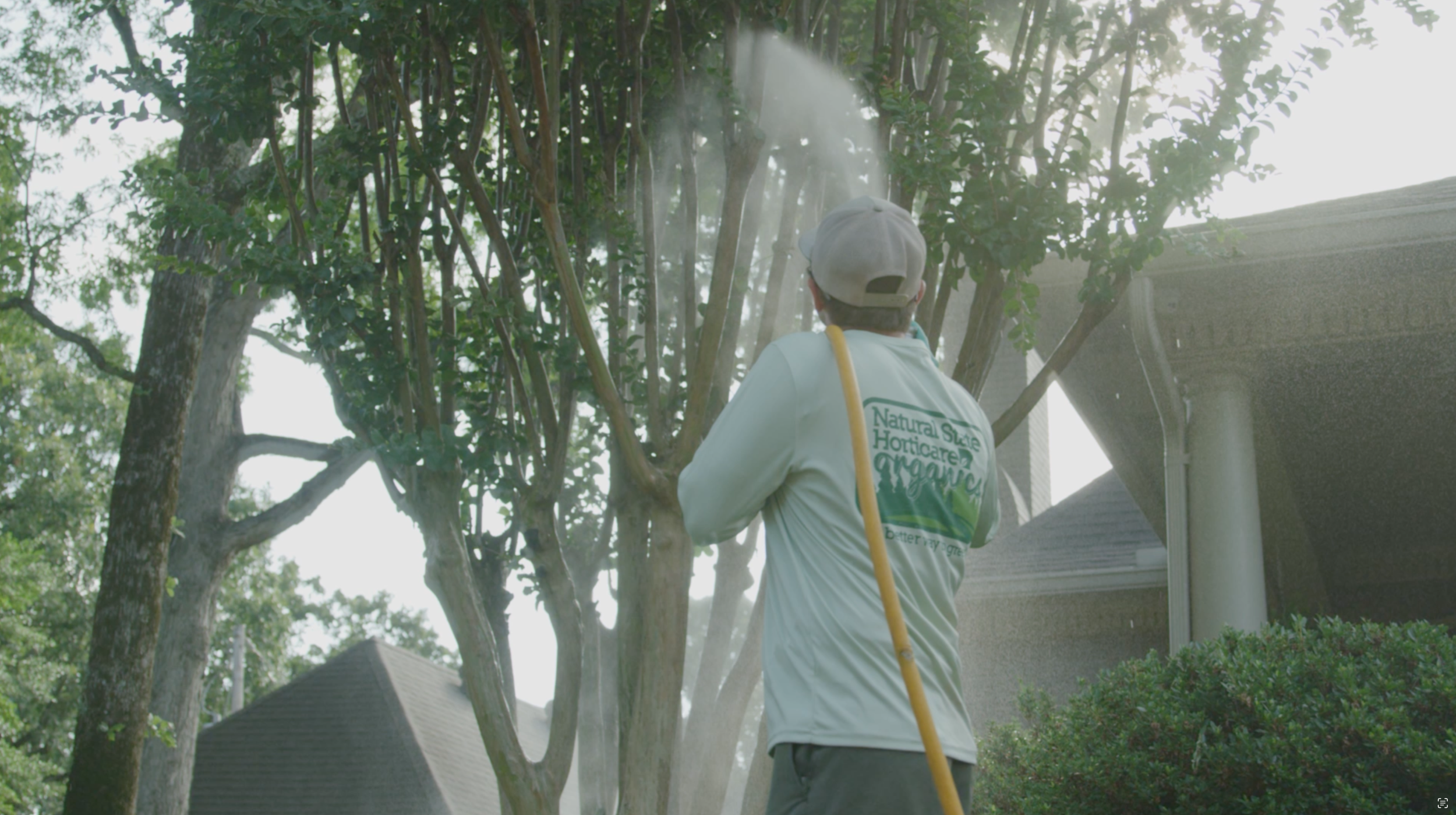
We offer both a 5-treatment and a 7-treatment ornamental program.
The 5-treatment program is a strong option for clients who want essential care for their landscape plants.
The 7-treatment program builds on the foundation of an already “above-and-beyond” program. It is identical to the 5-treatment version but adds two additional visits strategically timed during peak pest and disease season.
By increasing the frequency of application, we minimize the opportunity for pest repopulation and disease spread.
Designed for landscapes that demand that next level of protection, the 7-treatment program is THE premier ornamental option in Arkansas.
Protect the Irreplaceables
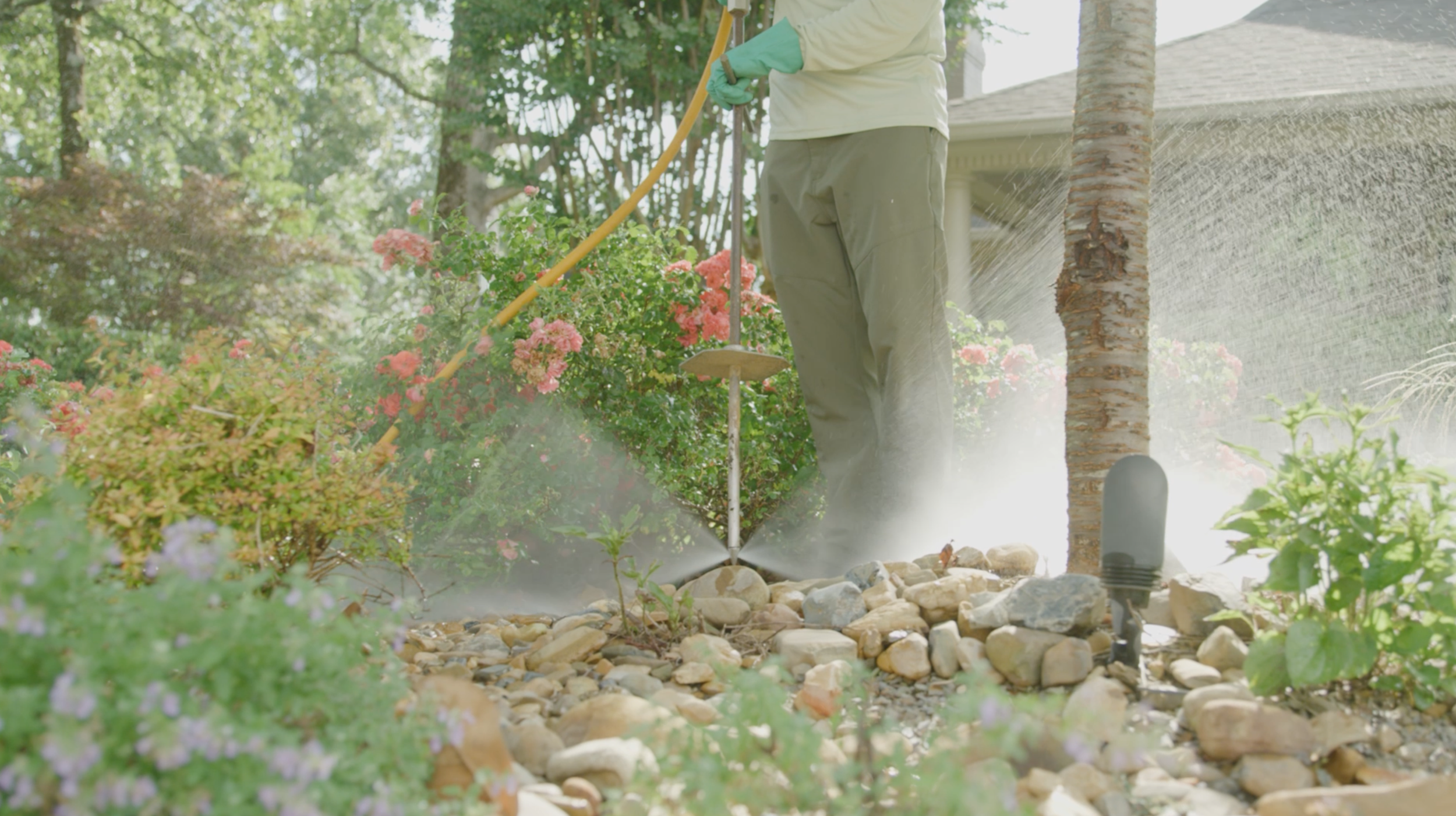
Some plants need more than standard surface care.
That is why we offer Deep Root Injections as an auxiliary service to our ornamental programs. Deep Root Injections deliver fertility and root-supporting materials directly into the root zone, which is especially helpful for valuable trees and shrubs growing in compacted, construction-disturbed, or nutrient-limited soils.
Add the WOW Factor
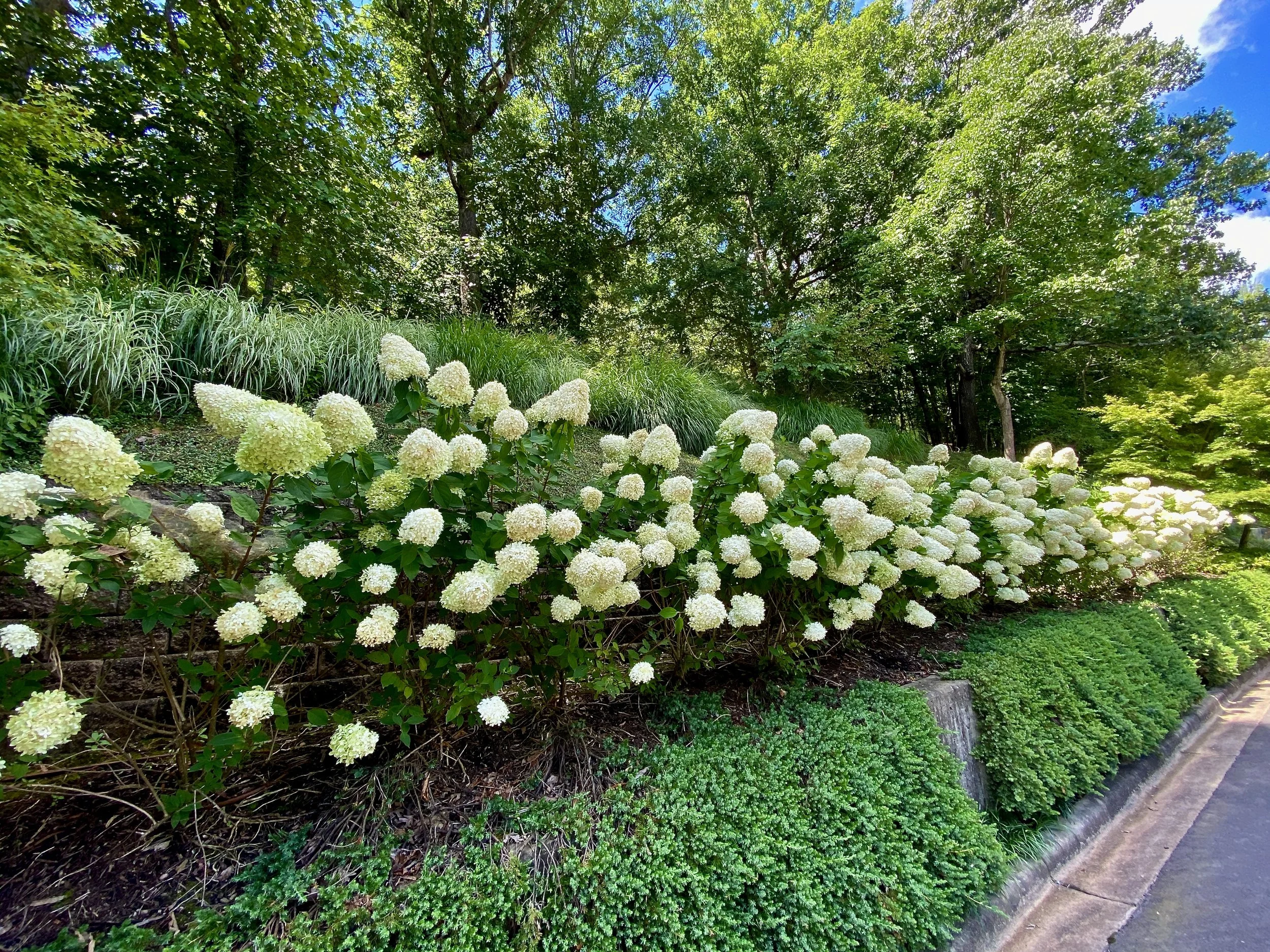
We also offer Bloom Boost for clients who want to maximize flowering performance from their ornamental plants. Bloom Boost is a granular, bloom-focused application designed to support flower development, color, and overall ornamental impact.