Post-Irrigation Startup
Your Irrigation Startup is Complete. Here’s What to Know Next.
Yours has officially been hooked up and evaluated by our team of experts. Now, there are just a few important things to be aware of post-startup.
*Please read and pay close attention to the highlighted information below*
Controller Settings: Why Your System May Be OFF
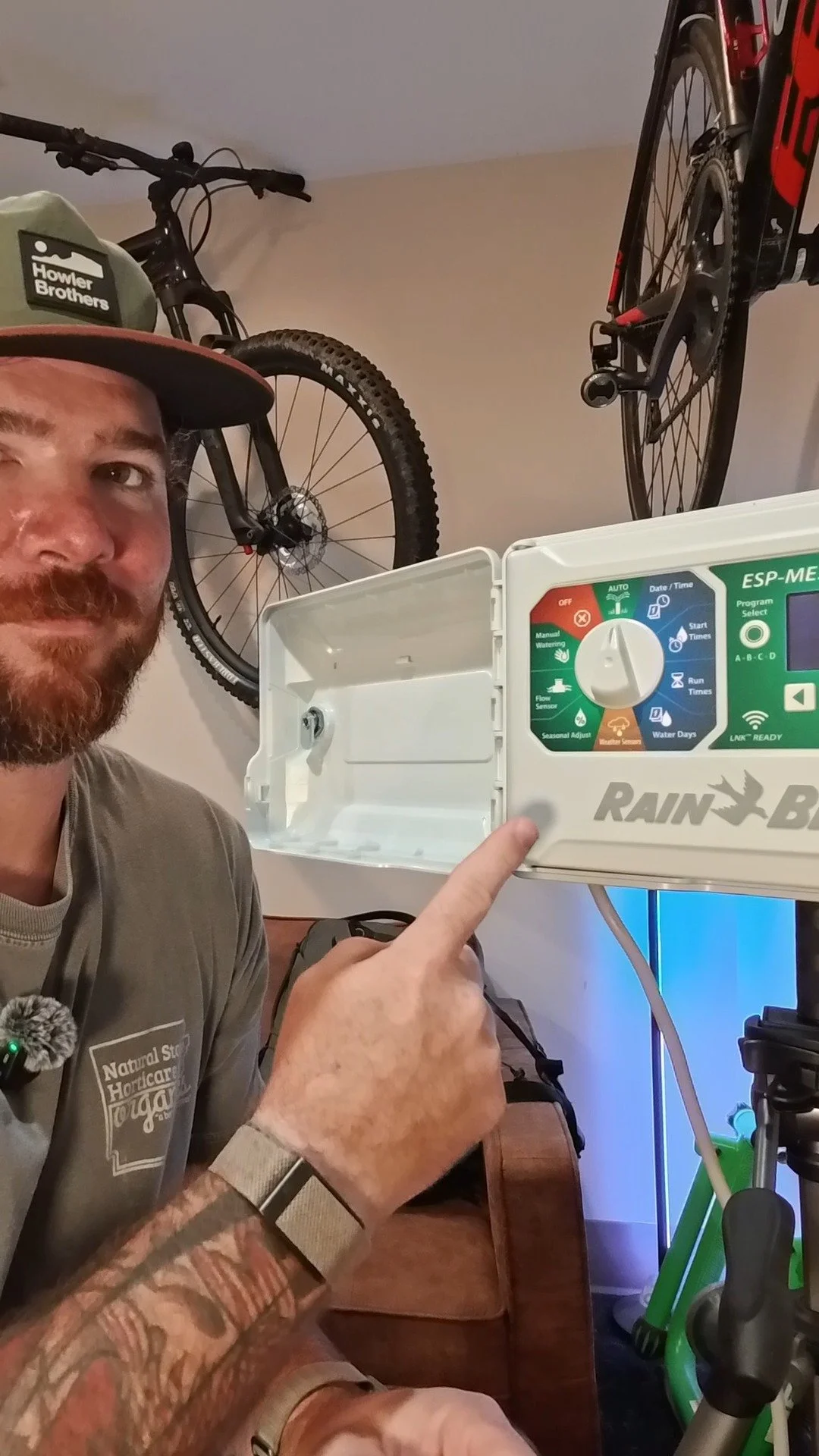
After completing your startup, you may notice your controller is set to “OFF.”
This is intentional.
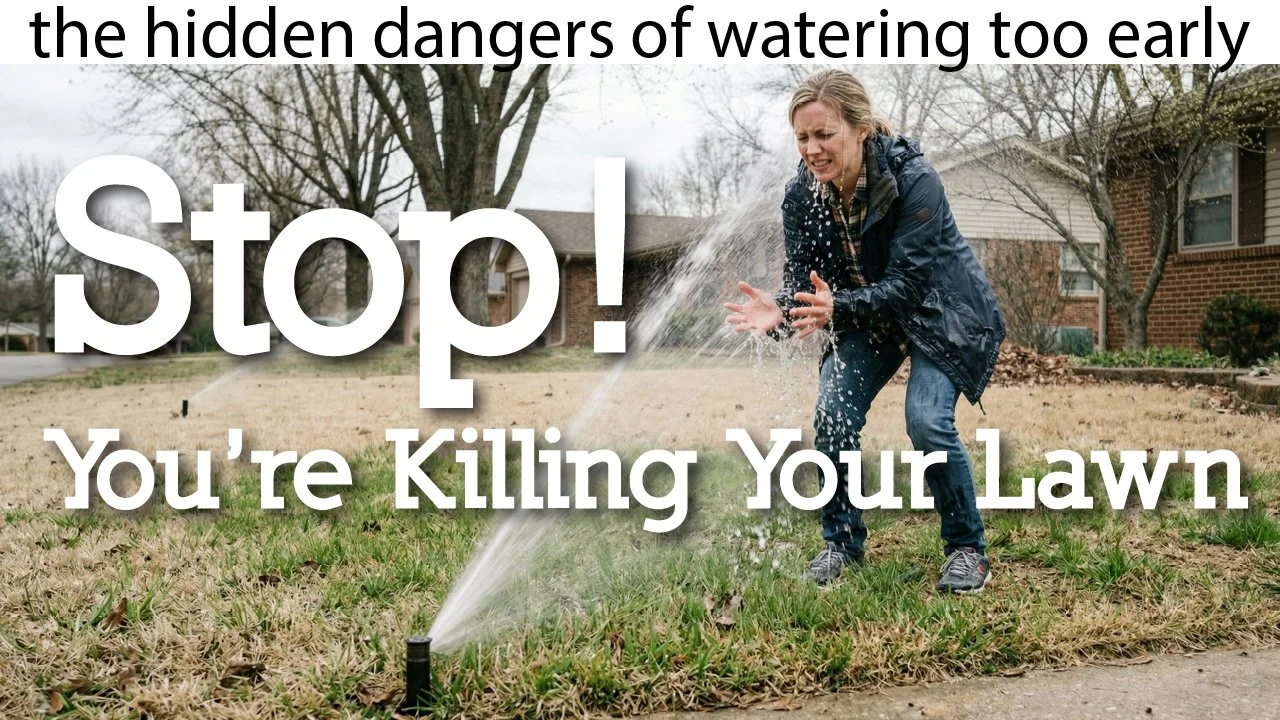
During early spring in Arkansas, we typically receive enough natural rainfall that irrigation is unnecessary. In fact, turning your system on too early can do more harm than good. Overwatering is one of the leading causes of lawn disease this time of year, especially as soil temperatures begin to rise. Click to learn more about this issue.
When it’s time to begin regular watering, simply turn your controller from “OFF” to “AUTO.”
We’ll notify you when conditions are right to start running your system.
If Your System Has Been Optimized
If your system has been optimized by our irrigation team, your controller has already been fine-tuned for efficiency and performance.
The Seasonal Adjustment % has been set to 60% to account for early-season watering needs
During your startup, we verify that your programming still matches your optimized settings
If changes have been made, we will restore your system based on our original optimization notes
In some cases, correcting programming may require additional time onsite and could result in additional cost.
If Your System Has NOT Been Optimized
If your system has not yet been optimized, we strongly recommend it. Learn More about Irrigation Optimization
You will automatically receive an estimate for our Irrigation Optimization Service based on the number of zones on your property.
We DO NOT make programming adjustments during startup services.
Seasonal adjustments cannot be properly made to systems that have not been optimized.
If you prefer a hands-on approach, you can also review our DIY programming tips here.
Watch For Leaks
There are two types of leaks that can happen post-startup.
Main Line Leaks (lines under constant pressure).
RPZ or Backflow Preventer Leaks
Not every leak is a geyser; small leaks in pressurized lines may take hours or even days to become noticeable. Thus, despite having your system turned on by experts, a leak may become apparent in the days following your startup.
RPZ or Backflow Preventer Leaks: There are 2 scenarios in which a leak can appear hours or days after startup.
1. Seals and O-Rings Dry Out Over Winter
During the off-season, the rubber seals inside your RPZ can dry out. Once water begins flowing again, they may need a short period to rehydrate.
In some cases, this can cause a small leak that resolves itself within 24 hours as the seals rehydrate. If we suspect this may happen, our office will reach out and ask you to keep an eye on it. This can save you from an unnecessary repair.
2. Delayed (“Sneaky”) Leaks
Some leaks don’t show up right away and only appear after the system has been under pressure for several hours. By then, your technician will likely have completed the startup.
That’s why we recommend a simple but important step:
👉 Monitor your RPZ for 24 hours after your startup service.
What to Do If You Notice a Leak
If you see water dripping or leaking from your RPZ after startup:
Call, text, or email our office
We will prioritize a callback visit at no additional service cost
In some cases, delayed leaks are caused by worn or failed internal parts. If a repair is needed, we’ll provide an estimate before moving forward.
Irrigation Video Catalog